Steak from Argentina is renowned worldwide, but what other Argentine food or cuisine are you likely to taste beyond beef, beef and more beef? Argentina is a vast country which is about a third of the size of the United States and is a huge producer of meat and dairy, but also produces many other food products which often take centre place in regional specialities. The European influence is evident in some of Argentina’s national dishes, but so is the indigenous culture. Here’s the ultimate guide to Argentine food and dishes that you should try to experience while visiting:
For starters: Argentine appetizers
If you are invited to an Argentinean’s house for dinner at the weekend, then expect to spend three or four hours at the dinner table! The kind of dishes that Argentineans prepare for starters/appetizers lean towards lighter foods that you can pick up and eat with your hands whilst the chef of the household prepares the main course!
Argentine Empanadas
Empanadas are one of the most classic Argentinean dishes which can be eaten as a starter, a snack or as a light lunch. They were originally a cheap meal which working people could eat on the go. They were brought over to South America by the Spanish, who received the recipe from the Moors.
Empanadas, which translate to ‘wrapped in bread’, are the Argentinean equivalent of a Cornish pasty which are stuffed with a sweet or savoury filling and baked or fried. The most common filling is carne picada (minced meat), sometimes with pieces of hard-boiled egg and green olives. Although each region puts its own little twist on the recipe. For example, in Salta, the empanadas tend to be a little bit spicier due to the influence of the indigenous cultures. Ham and cheese empanadas are also a favourite across the country, as well as dessert empanadas with a sweet potato or dulce de leche filling.
Find out the recipe and how to make the classic Argentine empanada from Salta
Provoleta in Argentina
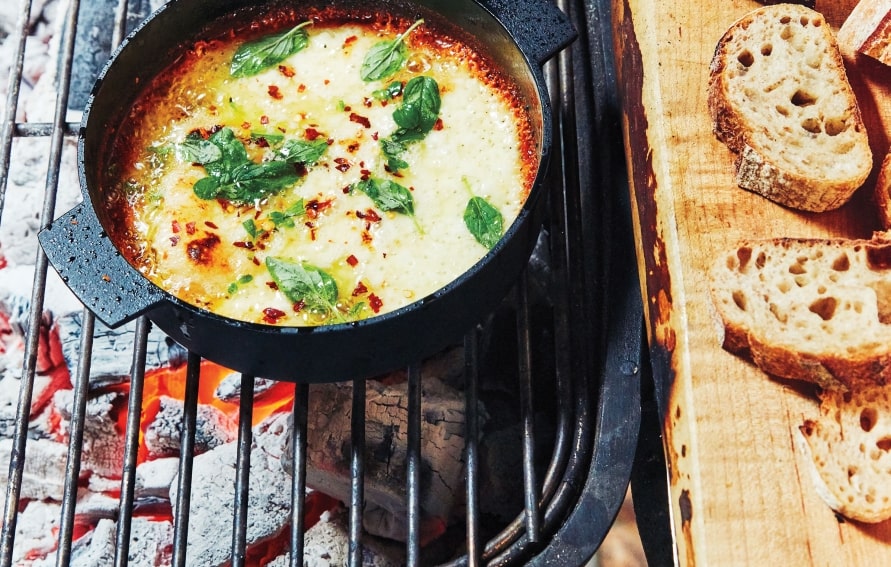 Provoleta is the Argentinean version of the Italian dish, provolone, and is the perfect indulgent starter to share with friends before diving into an asado. Be prepared for a real treat as this slab of cheese is transformed once it is put on the grill and cooked for a few minutes so that it is crispy on the outside and gooey on the inside.
It is then topped with herbs such as oregano or chilli flakes and passed around so that everybody can dig in. Usually provoleta cheese is made with cow’s milk but there is a creamy and slightly more acidic version made with goats’ cheese.
Picada Argentina
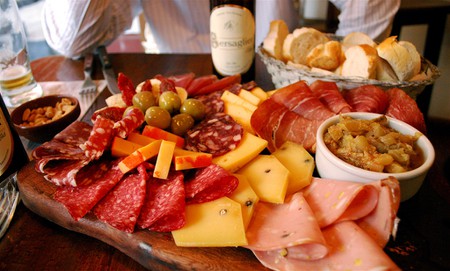 In Spanish, picar means ‘to nibble’ and it is common for families pick on some cured meats, such as salami and jamón crudo, as well as cheeses served with bread. This is the perfect accompaniment for a glass of red wine and the picada brings all of the family together around the dinner table. During the picada, people often dip their bread into the sauce which is bubbling away if they are too impatient to wait for the main course!
Argentine sauces & sides:
Chimichurri
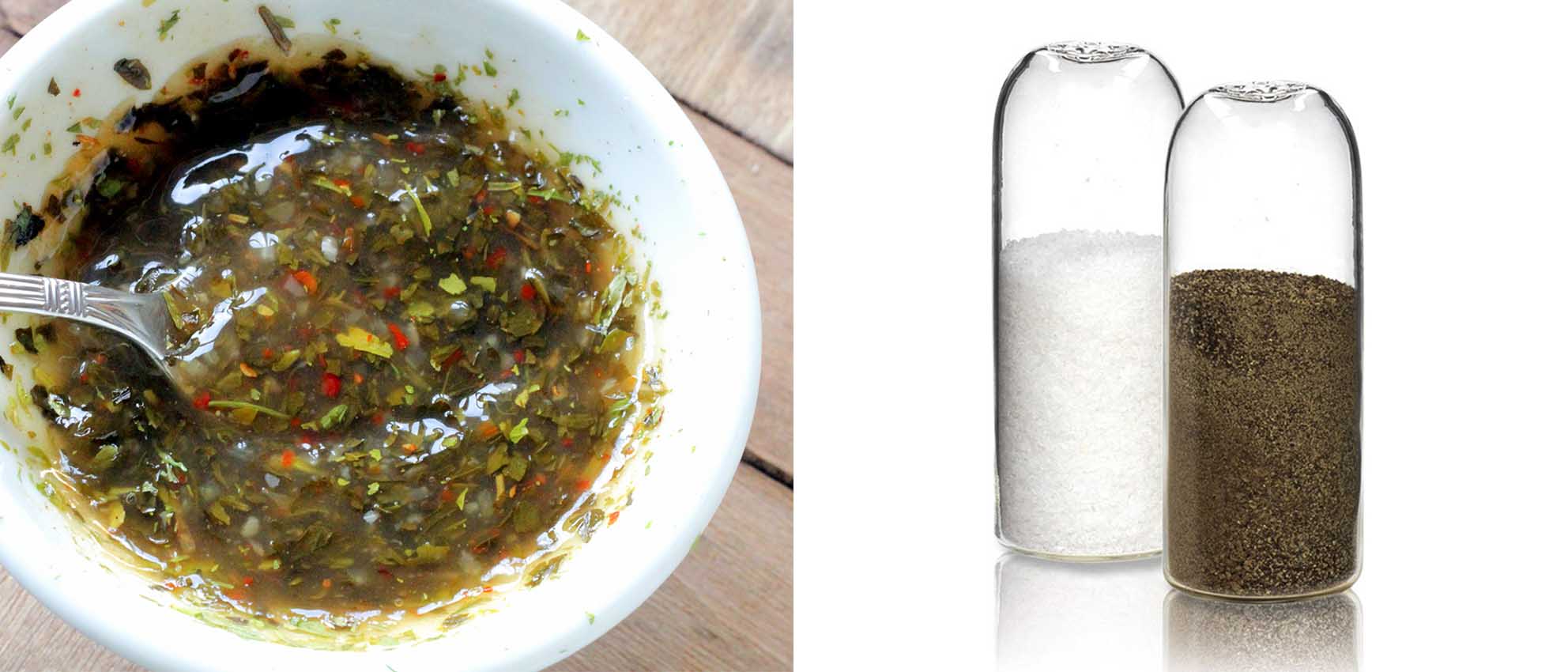
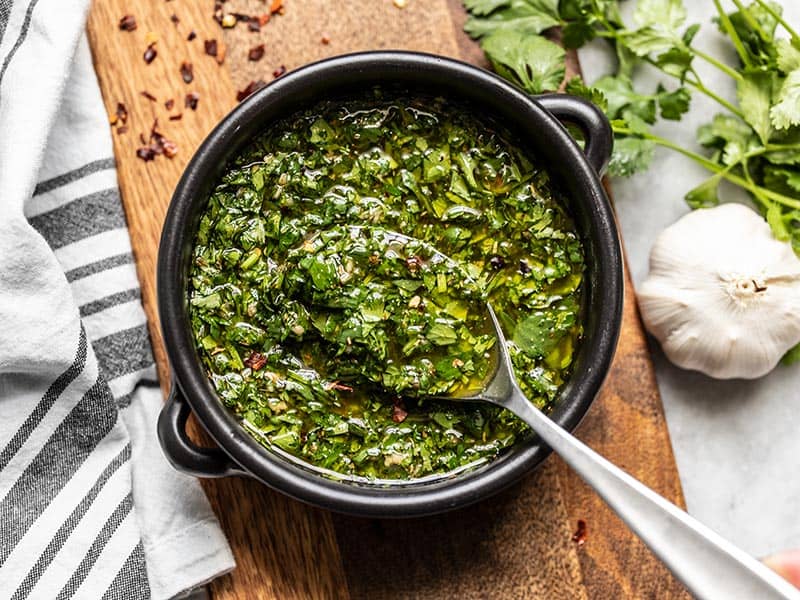 Chimichurri is a slightly spicy sauce made of parsley, oregano, onion, garlic, chopped peppers, chilli flakes, olive oil and a dash of vinegar or lemon juice to give it a kick. It is commonly drizzled over grilled meat but it is sometimes also used as a marinade.
Every household has their own variation on the classic Argentine chimichurri. Some are more green (parsley-based), others are much more red in colour (red pepper-based); some are made with entirely fresh ingredients, while others will simply use dried herbs and ingredients. The amount of vinegar used will also vary wildly from household to household – without any citrus or vinegar the chimichurri can feel a bit oily and bland, but with too much, it will make you wince and take minutes for your tortured face to uncoil. A happy medium for a chimichurri recipe is to use half the vinegar or acid for the oil you use.
Salsa Criolla
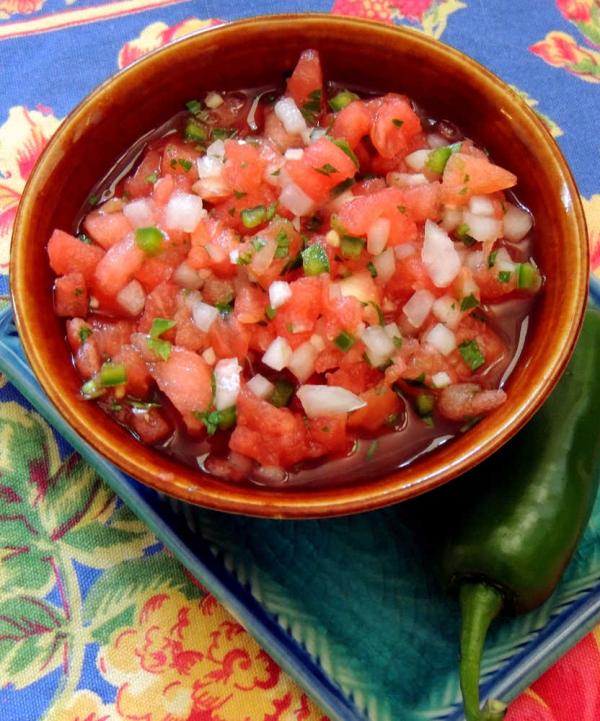 Salsa Criolla is probably the second most common sauce in Argentina. Finely-sliced red bell peppers, tomatoes and onions are combined with olive oil and white wine vinegar with a pinch of salt and pepper. Both salsa criolla and chimichurri are often served with bread in restaurants before the starters are served.
It isn’t dissimilar to Chilean pebre, although salsa criolla in Argentina rarely has any spice added nor any cilantro (both of which are major ingredients in Chilean pebre).
Salsa criolla is ideal for mopping up with bread; serving on choripan or any grilled meat that comes off the asado; and can liven up humitas or provoleta.
Choripan
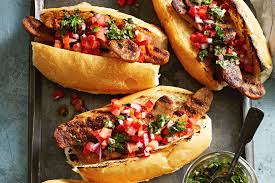 Choripan, which comes from ‘chori’ (chorizo) and ‘pan’ (bread), is the Argentinean version of a hot dog. This is the most common street food in Argentina which is made of a beef or pork sausage (or combination of both) in a soft bun topped with chimichurri or salsa criollo.
There is nothing more Argentinean than eating a choripan before a football match, and the wafts of smoke and smell of grilled chori is often an indicator that a football match is about to begin. You’ll also often see choripan served on the side of highways, or under the bypasses, and it is the ultimate trucker’s snack (or meal, if you eat two or three).
Pancake tower (torre de panqueques)
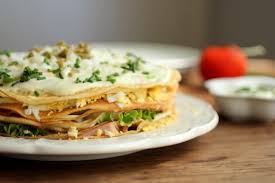
No Argentinean party is complete without a pancake tower, which is a real guilty pleasure! Pancakes are smothered in mayonnaise and stacked up with layers of salad, egg, ham, cheese, avocado, carrot, and sometimes tuna or chicken.
A torre de panqueques was the height of sophistication in the same moment that prawn cocktails were seen as sophisticated. You could also try experimenting with some more fancy fillings, but that would eliminate half the fun!
Argentine entrees and main courses
Asado
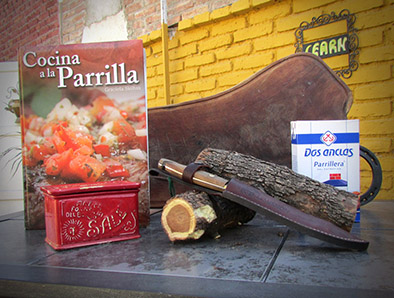
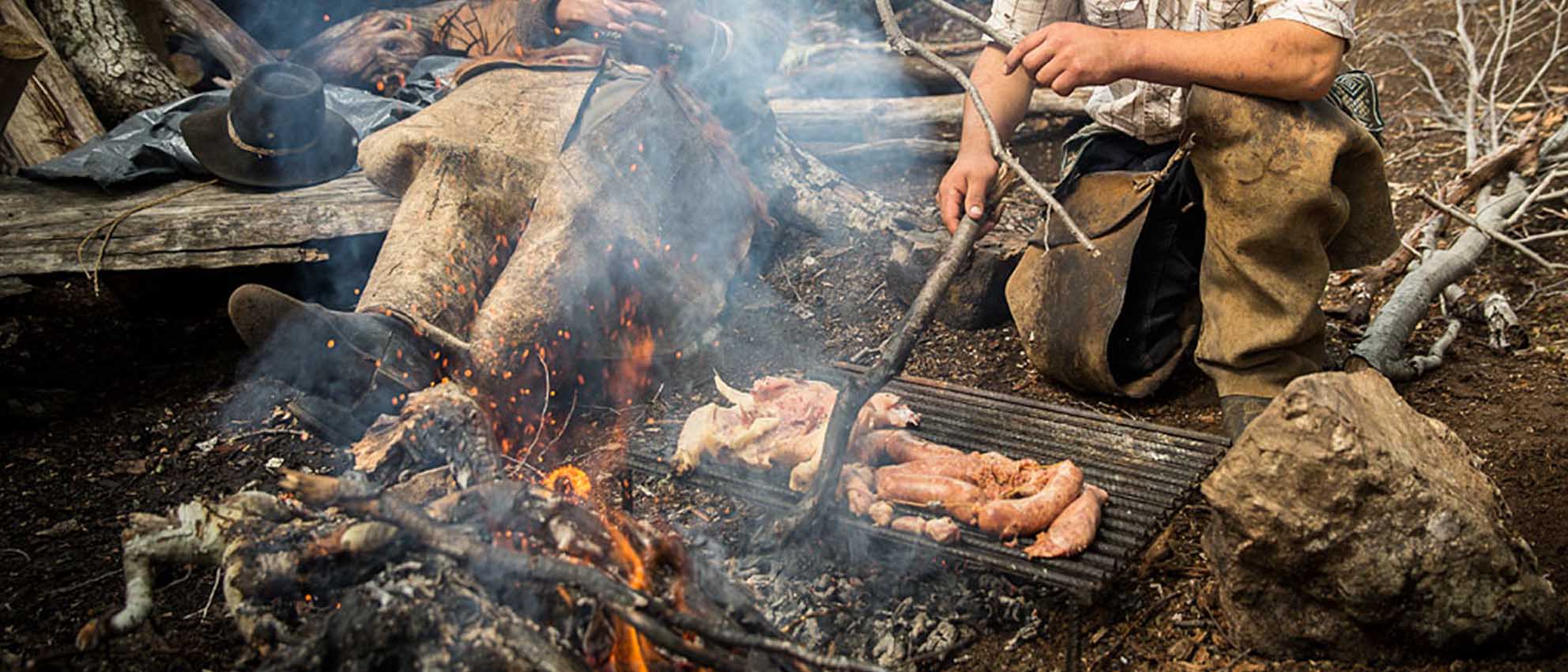
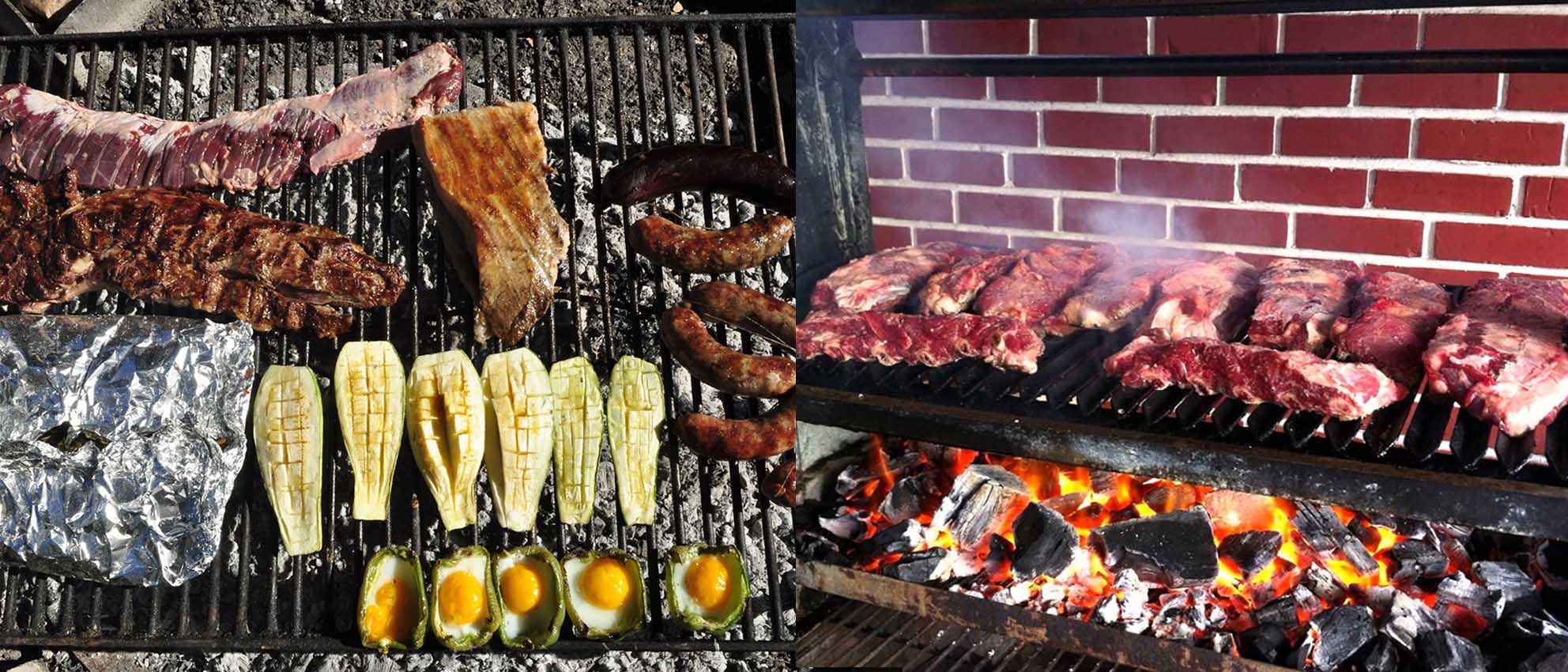
Of course, we have to start off with the famous Argentinean asado, also known as parrillada, or ‘barbecue’ in English. At the heart of all social gatherings with friends and family, there is always an asado!
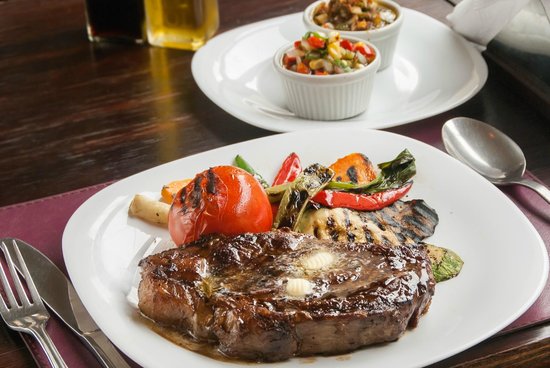
This Argentinean tradition originates from when the gauchos who used to eat the cows which surrounded them in the plains. Argentina is one of only five countries in the world in which there are more cows than people alongside Uruguay, Brazil, New Zealand and Australia! What made Argentinean beef so special is that the cows were grass-fed, rather than grain-fed like in many other countries, which gave the beef a creamy flavour making it melt in the mouth once it has been grilled on the barbecue. That’s changed quite significantly as production became industrialised, but the best beef you’ll find has been reared roaming in the countryside.
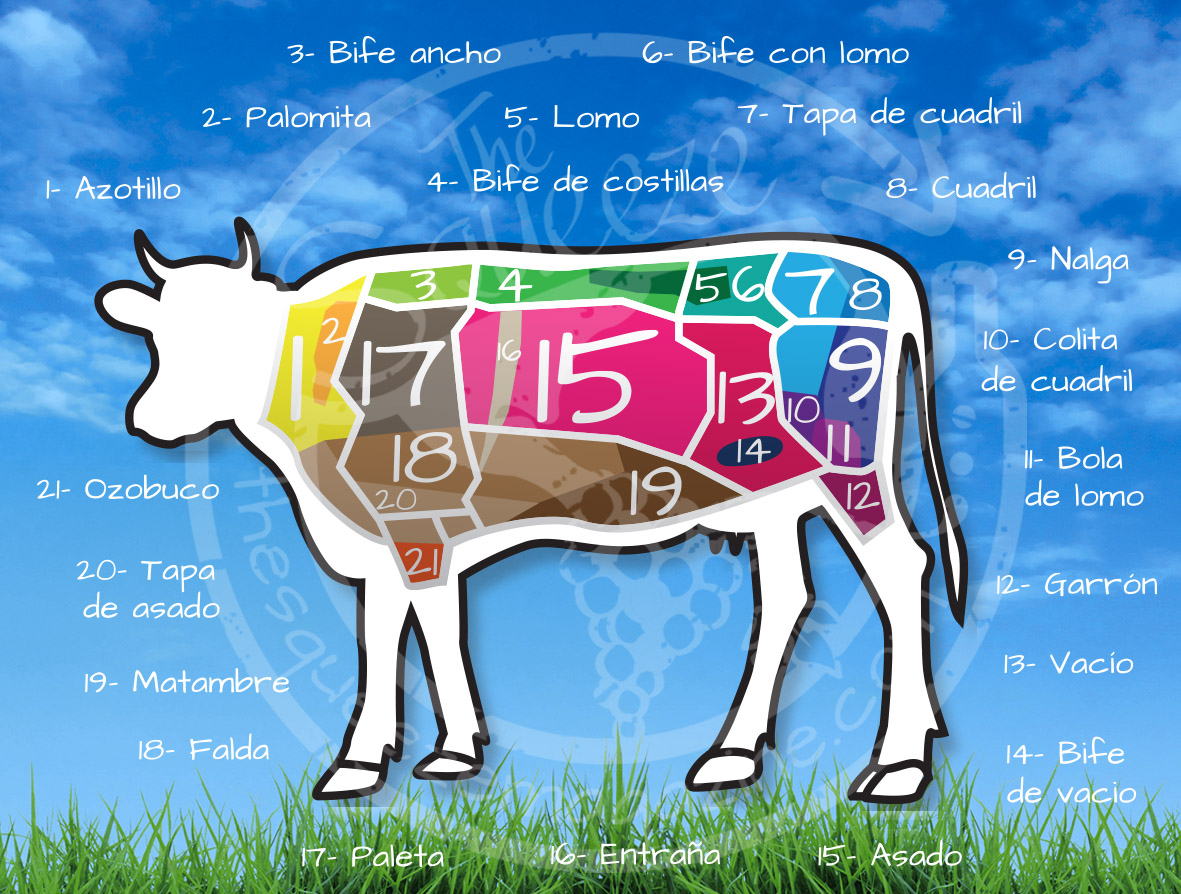
Beef 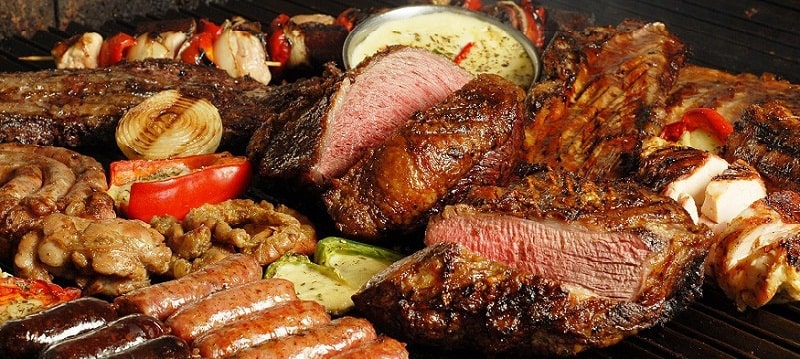 is not the only star of the show in an Argentine asado! There is also chorizo, morcilla (blood sausage) and chinchulines (crispy chitterlings) and sometimes matambrito de cerdo (pork flank steak drizzled with lemon juice) and riñones (kidneys). It is normal for the asador (BBQ master) to serve the different cuts of meat off the barbecue one by one so that everybody can try a little bit over a longer sitting.
The classic side dish is an ensalada criolla made with tomato and onion dressed with olive oil, vinegar, salt and pepper. For a more substantial meal, sometimes there are potatoes and vegetables such as green peppers topped with an egg which are cooked on the grill.
Llama steak
Llama steak is one of the regional specialities from the high-altitude regions in the North West of Argentina, in the provinces of Jujuy and Salta. It is a healthier alternative to beef, with less fat and a more gamy flavour. Although llama steak is common, the meat is also used in stews and empanadas and some high-end restaurants even prepare llama carpaccio and tartare!
Matambre arrollado
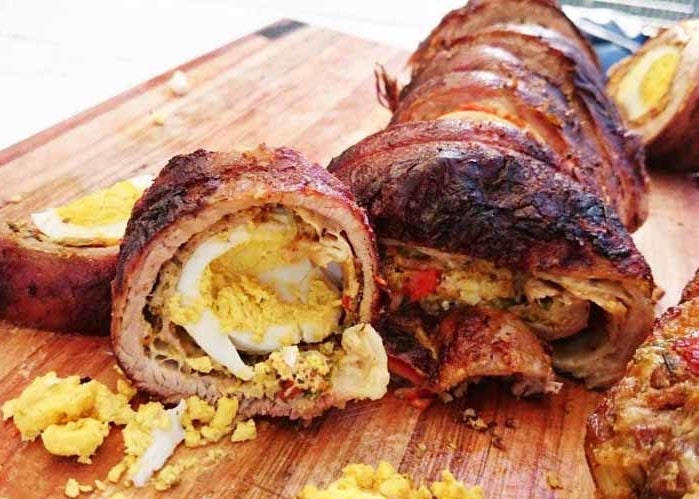 Matambre arrollado comes from ‘matambre’ (‘hunger-killer’) which is ‘arrollado’ (rolled-up). A thin slice of beef is covered with a filling made of vegetables, olives, hard-boiled egg and herbs and rolled up to form a kind of swiss roll.
It’s said that the name comes from the fact that this thin cut of beef cooked more quickly during the asado and was therefore served up first to take the edge off the guests’ hunger.
You’ll find a similar version of stuffed chicken too.
Locro
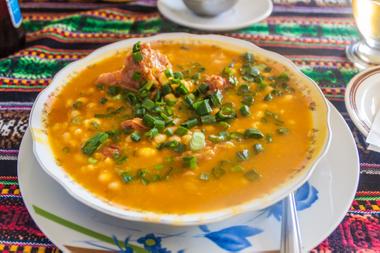 Locro is the national dish eaten on 25th May to celebrate Argentina’s May Revolution. Eating it is so common on the 25th of May that the name of the public holiday is often called, the dia del locro (day of locro!) and almost every restaurant (the ones that are open on public holidays) will have it on their menu.
This wholesome stew prepared with sweetcorn, beef or pork, tripe, red chorizo and mixed vegetables will certainly fill you up! A dash of chimichurri sauce, made with paprika, spring onion and sometimes chilli, adds a little kick to the stew.
Pastel de papa
Pastel de papa is the Argentinean version of shepherd’s pie, except it is often prepared with sweet potato and is sometimes dusted with cinnamon and sugar before it is browned off under the grill. The filling is prepared with minced meat, green olives, red bell peppers and hard-boiled eggs.
Puchero
The name of this dish which originates from Spain means ‘stew pot’ in Spanish. The typical base for this stew consists of beef, onions, potatoes and butternut squash, although it is sometimes prepared with sweet potato. A final touch of fresh, chopped cherry tomatoes adds some freshness to the dish.
Humita
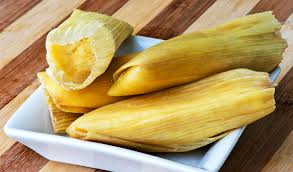 Humitas are stuffed corn leaf bundles which are boiled or fried. The typical filling is made of fresh corn, milk, onion, spices and sometimes a little bit of goats’ cheese to add some creaminess and acidity.
This dish was originally prepared by the native population of the Andean region (which includes Argentina, Chile, Peru and Bolivia) during the pre-colonial era, and you’ll more commonly find it in northern Argentina.
Carbonada criolla
Carbonada criolla is beef stew like you have never tasted it before made with sweet dried fruit and sweet potato.
Pizza
Several waves of Italian immigration has had a huge impact on Argentinean cuisine. However Argentine pizza isn’t quite the same as Italian pizza… In Argentina, pizzas have a much thicker cake-like base covered with a light tomato sauce and copious amounts of stringy mozzarella cheese. Typical toppings include oregano, ham and fresh tomato. It’s filling, can be quite stodgy and you’ll either love it or hate it!
A chickpea pancake, called Faina, is also commonly served alongside pizza, which you can use to mop up the extra cheese!
Milanesas
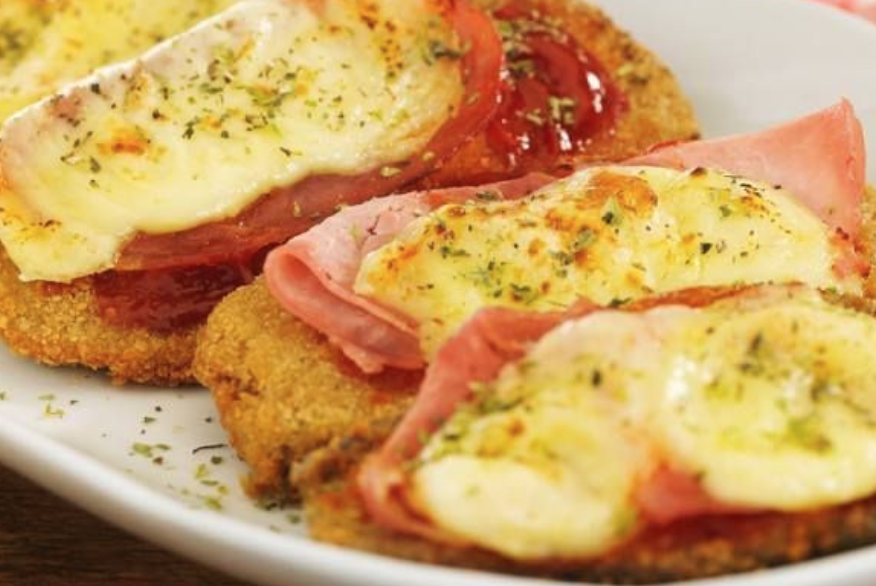 Milanesas are another staple meal in Argentina usually made with a thin slice of beef or chicken, although restaurants sometimes make them with fish (and not pork, unlike the Schnitzels that you find in European countries such as Germany).
You will find the typical Italian milanesa napolitana topped with mozzarella and tomato sauce, as well escalopes topped with a fried egg, which are known as caballo (or ‘horseback’). If you are looking for something more indulgent, then a suiza topped with Gruyere cheese can be a real treat but you’ll find almost anything served on a milanesa nowadays. Milanesas completas topped with ham, cheese and tomato sauce are only for those with big appetites!
Pacú
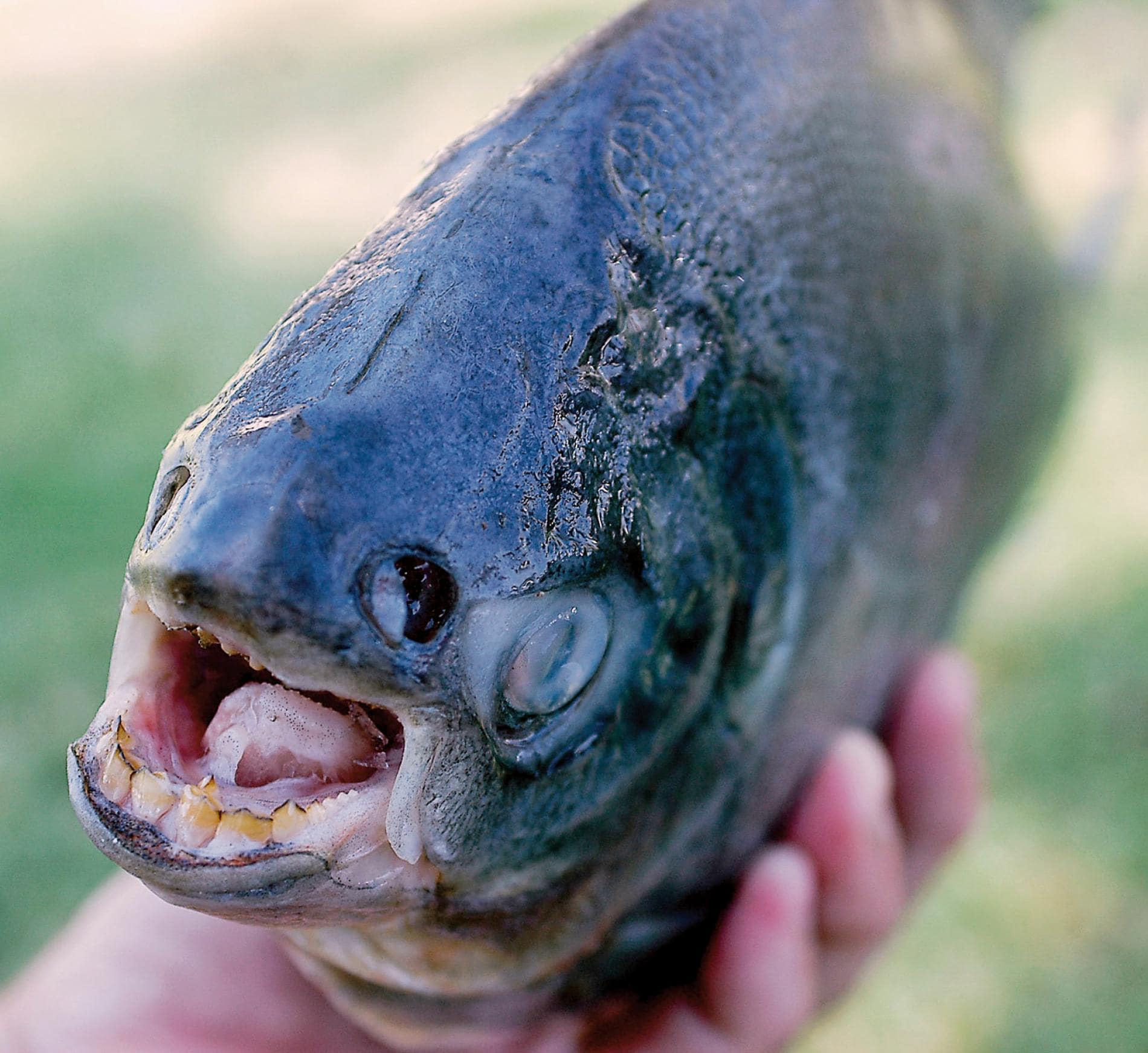 There are many rivers in Argentina, which means that there is a variety of fresh-water fish. Pacú, which is eaten in the North East of Argentina in provinces such as Missiones and Corrientes, is perhaps the weirdest fish that you have ever seen!
It has square teeth like a human being, so you would prefer to find it on your dinner plate than in the water! The fish is typically cooked over a grill and served with criolla salad.
It has quite a meaty, earthy flavour as this is a river fish that lives on the bottom of the river. You can honestly pair Pacu quite well with Malbec – it is earthy enough for more robust red wines too!
Argentine desserts and sweet treats
Argentine alfajores
 Alfajores were originally brought over by the Moors to Andalusia but they are now known as Argentina’s national biscuit. Imagine two shortbread biscuits sandwiched together with dulce de leche, mousse or jam in the middle and you will be taken to sweet-tooth heaven!
Alfajores de maicena are the most classic variety which are made with dulce de leche and rolled in coconut flakes. If have a real sweet tooth, then you must try alfajores dipped in chocolate or ice-cream alfajores. There is much debate in Argentina over which brand of alfajores are the best but I can personally recommend Entre Dos (for the variety of flavours) and La Havanna (for the sumptuously thick and creamy dulce de leche filling). Need I say more!
Dulce de leche
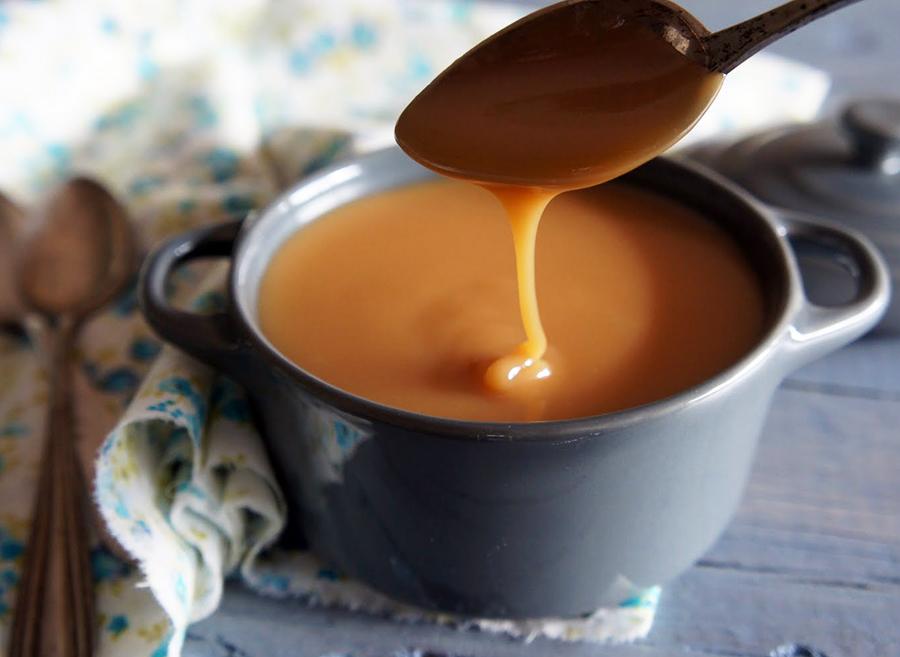 As well as being a huge beef producer, Argentina has a huge dairy farming industry. Dulce de leche is a silky, thick caramel made with condensed milk and sugar and can be eaten on its own from the jar!
However, the Argentineans give the Italians a run for their money with their creamy dairy ice-cream drizzled with dulce de leche. This classic combination is served in all ice-cream parlours which are open late at night for those who need a midnight sugar rush!
Pasta frola de dulce de leche de membrillo
 Pasta frola de dulce de leche de membrillo is a sweet tart made from a shortbread crust smothered in a filling made from quince fruit covered which is decorated with a lattice-shaped pastry topping.
This typical pudding from Río de la Plata is the ultimate comfort food. Argentines have a very sweet tooth and pasta frola is also served in the afternoons or in the morning as a snack with tea, coffee or mate.
Torta negra galesa
Torta negra galesa, or Patagonian black Welsh cake, is one of the dishes which was brought over by the Welsh immigrant populations who settled in the Y Wladfa part of Patagonia (especially the region of Chubut).
Beverages
Yerba mate
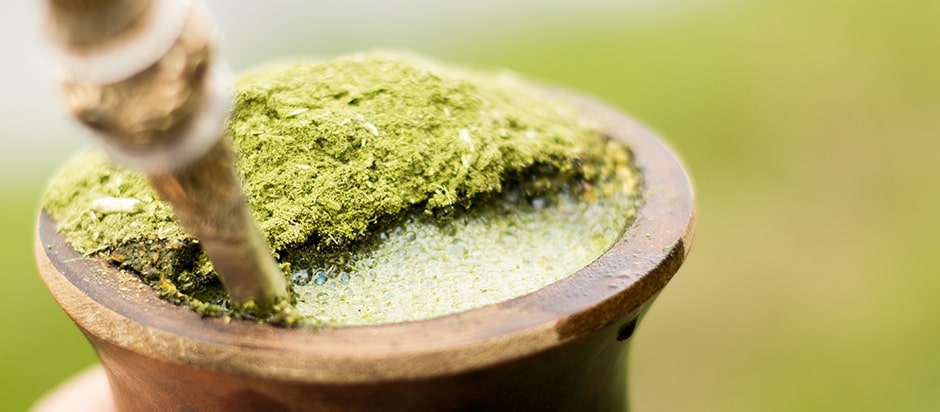 Yerba mate is as important to the Argentineans as a cup of tea to the British. Mate is a green herbal tea made from the yerba mate herb which is grown in the provinces of Missiones and Corrientes, in the North East of Argentina.
People often walk around with a flask of hot water in their hand and a mate gourd with a metal straw (or bombilla). Drinking mate is an important social event and often groups of friends meet up in a plaza and pass the yerba mate around whilst they have a chat.
Fernet con coca
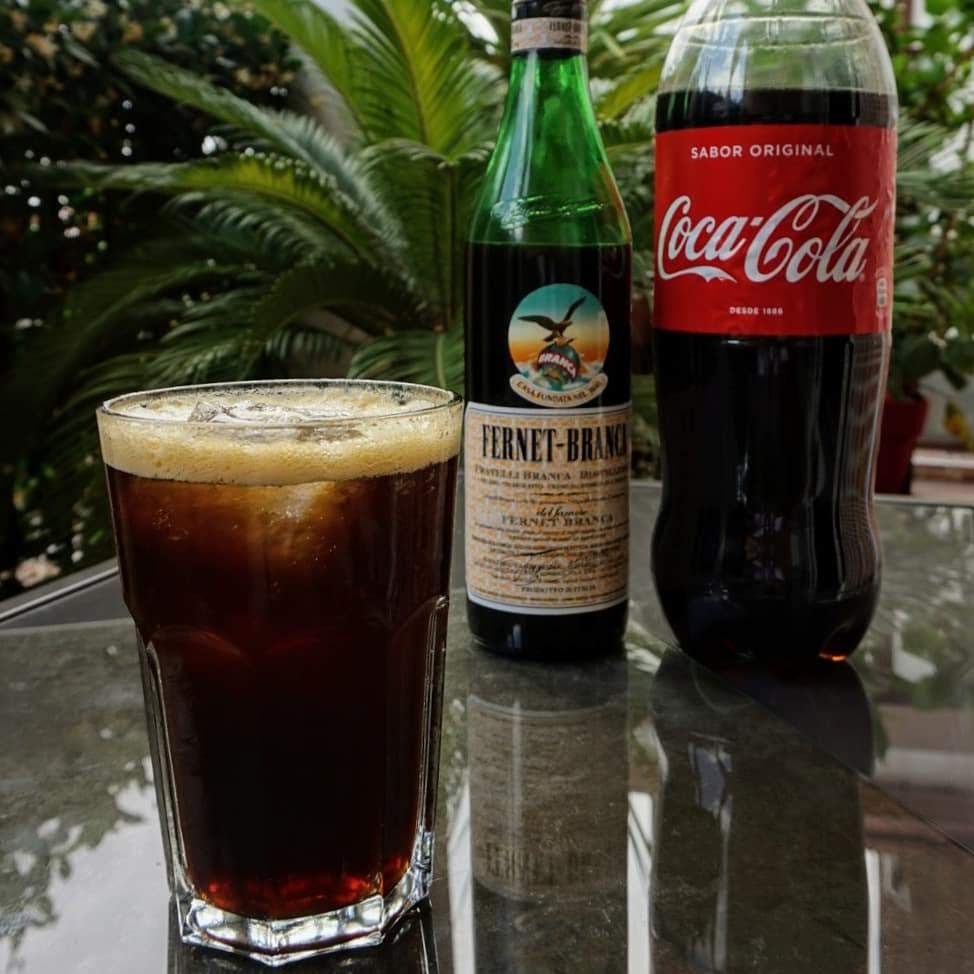 Fernet con coca is by far the most popular drink among young people in Argentina, sadly much more so than wine! Fernet Branca is a bitter alcoholic beverage which, if I am honest, tastes like cough syrup! This strong alcohol is commonly consumed as a digestive aid at the end of the dinner in Italy.
However, Argentineans drink four times more Coca-Cola than the global average and Fernet Branca is such an important symbol of Argentinidad that prices were frozen since 2014 so it would not be affected by inflation. Whether they are at an asado or a football match, an Argentinean will always be holding a class of Fernet con coca with plenty of ice in their hands. If a glass isn’t available, the the top of the coke bottle will be cut off and a litre of fernet con cola served in the same coke bottle is passed around. (No-one said fernet con cola was classy!)
El Submarino
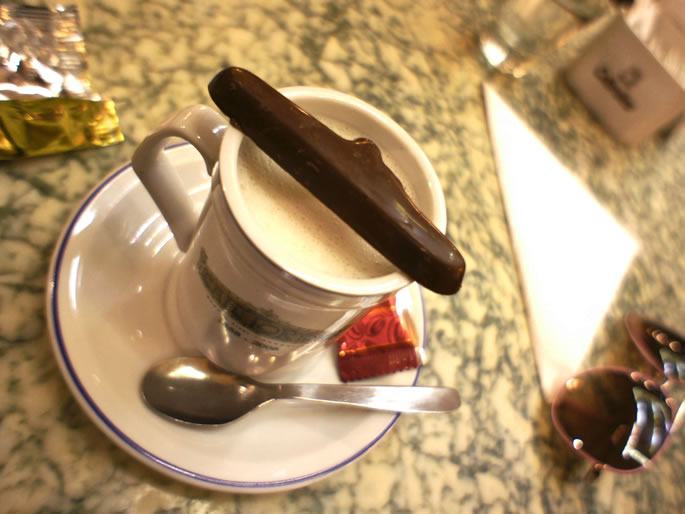 El Submarino is an Argentinean hot chocolate which is commonly enjoyed at breakfast time or before bed.
You can easily make your own Submarino at home: just submerge a generous slab of chocolate in a glass of steaming hot milk and stir it around so that the chocolate melts.
It is a real guilty pleasure best enjoyed in the cold winter, and it’s unsurprising that this is one of the most served drinks in Bariloche – otherwise known as the chocolate capital of Argentina.
What are your favourite Argentine dishes or Argentine foods? Share your comments with us below!