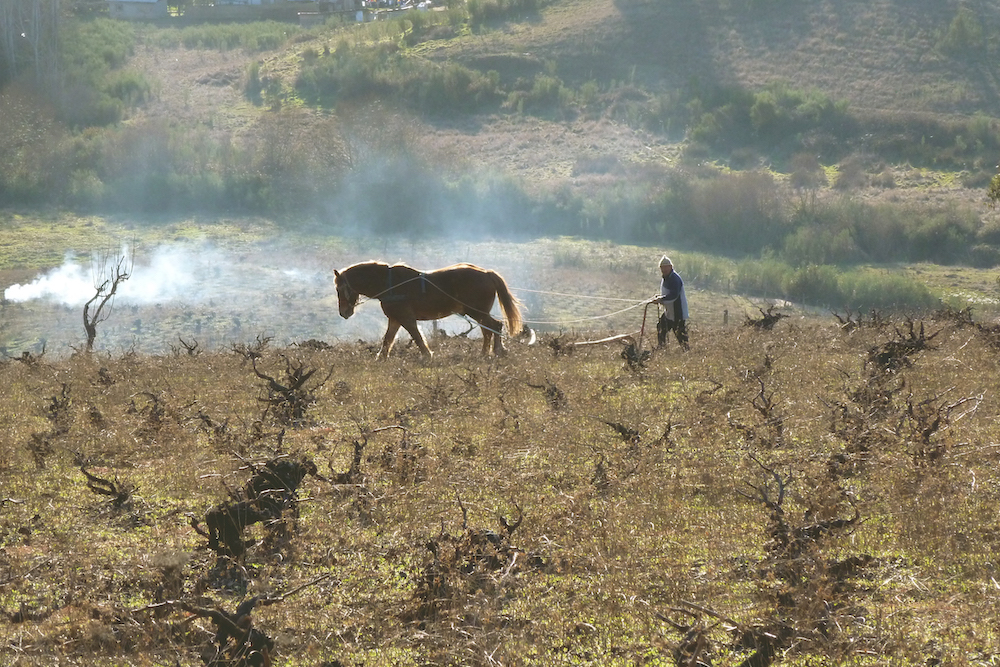
There’s a new wine association in Chile to know about… Sur Natural — an association of small, independent wine producers making natural wines in Itata and Bio Bio. Founded by six wineries, Sur Natural is an association with producers focused on making minimal-intervention, natural wines from dry-farmed old vines in the southern regions of Itata and Bio Bio.
Founded with the aid of funds from Corfo, Sur Natural is comprised of Zaranda (Itata), Tinto de Rulo (Bio Bio), Viña de Neira (Itata), Viña Doña Luisa (Bio Bio), Gustavo Riffo (Itata) and Viña San Lorenzo (Bio Bio). “We share a vision together for making wines from these important historic wine regions, and focused on natural wine production,” explains Juan Ignacio Acuña of Viña Zaranda.
“As we are all very small producers, it can be very hard to present Itata and Bio Bio internationally, which is why we are working together to show the great diversity we have within the wine regions and the growing importance of natural wines. We are also working together for all the vineyards and growers in the association to get organic certification as part of Sur Natural. We all have a different personal vision though, and each producer is very passionate about their place and how to best show it through our wines.”
Main image of Viña Zaranda
The natural wine producers of Sur Natural
Viña Doña Luisa
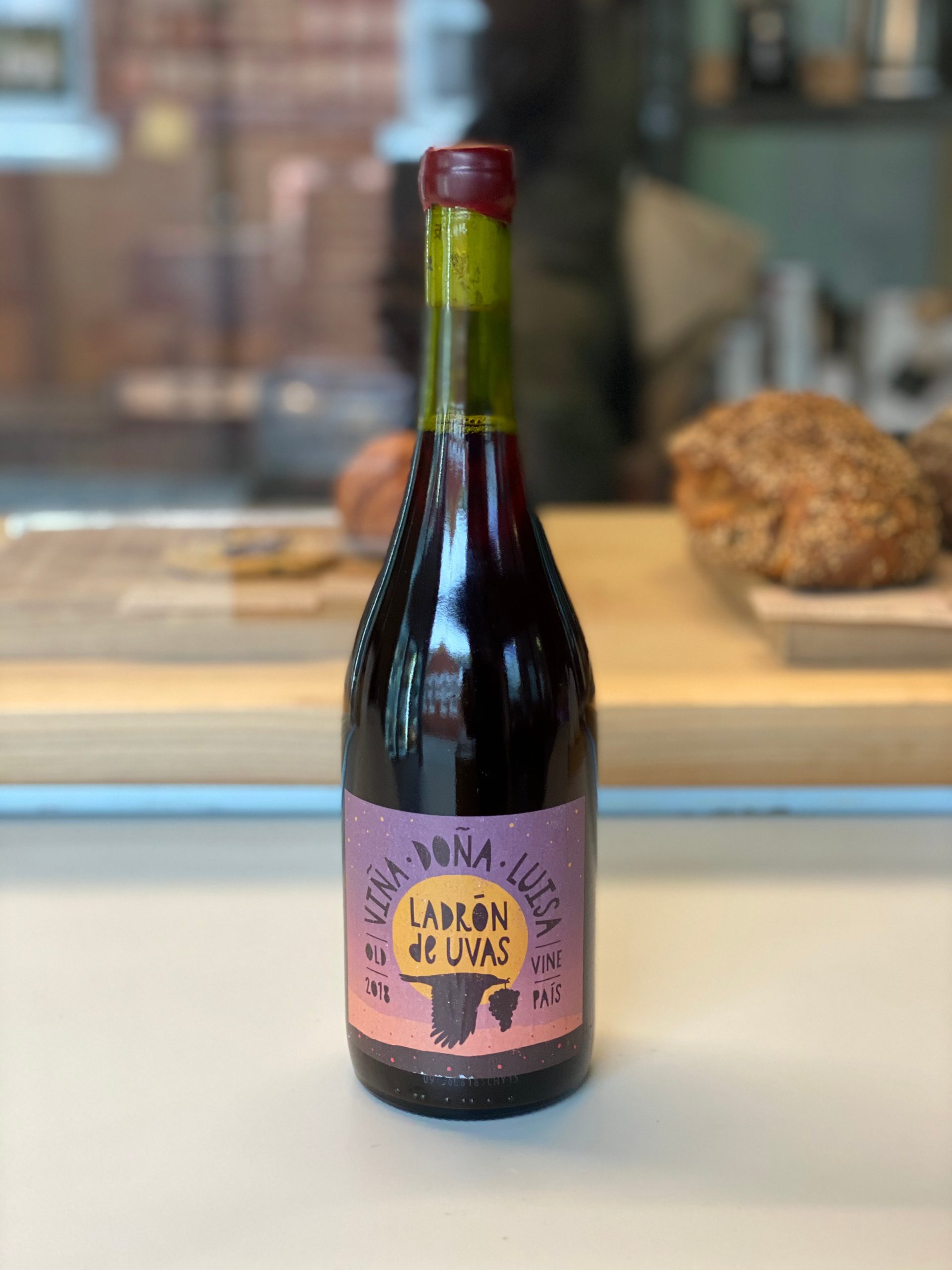
The Cea family have owned their vineyards in Millapoa in Bio Bio for more than six generations, and their incredible País vines are over two hundred years old. The combination of the age of these ungrafted vines, the moderate temperature in the region and black volcanic sand soils, make for distinctive wines.
With these ancient vines, father and son Patricio and Bastián Cea make a handful of different wines — all under the philosophy of natural wines with minimum intervention. Ladrón de Uvas (Grape Thief), País Sismico (Seismic Country) and Pipeño no Muere (Pipeño never Dies) are three of their best-known wines, and each is made using artisanal techniques with the native ferments taking place in traditional rauli vats.
Viña Doña Luisa, named after the matriach of the family, is open for visits and Luisa will often rustle up some local dishes to accompany their wines and stunning view over the vineyards and nearby Bio Bio River.
Instagram @vinadonaluisa
Facebook @vinosdonaluisa.millapoa
Tinto de Rulo
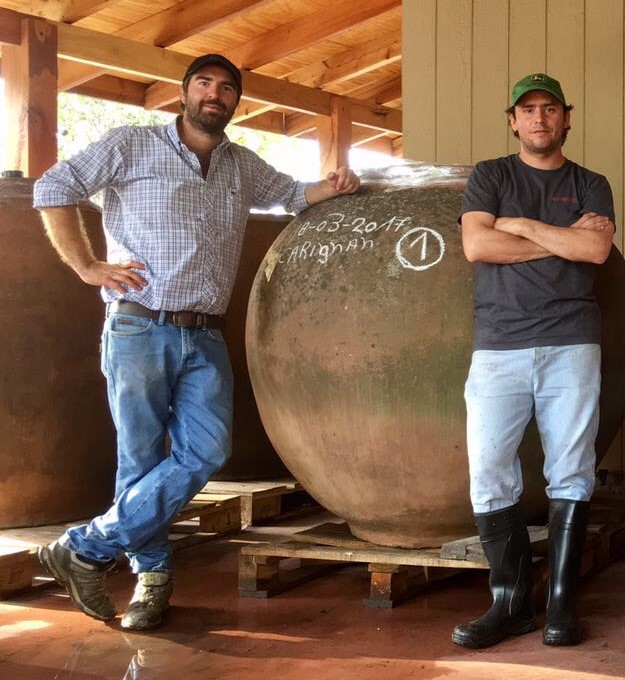 Tinto de Rulo has long been one of my favourite gems when it comes to underrated wines in southern Chile. A small project started by three friends in 2013 has blossomed into an exciting natural wine production focused on old vine Malbec, País, Carignan, Cinsault and Moscatel from Bio Bio.
Today with Jaime Pereira and Claudio Contreras at the helm of production, the wines are all made by spontaneous fermentation and all the wines are destemmed by hand. In their boutique winery, vinification happens in clay tinajas and also large rauli vats.
The vines are all old vines found in the dry-farmed regions of Bio Bio and Itata, and range from 70 to 200 years old. You can read more about Tinto de Rulo and their wines in our online winery guide.
Instagram @tintoderulo
Viña Zaranda
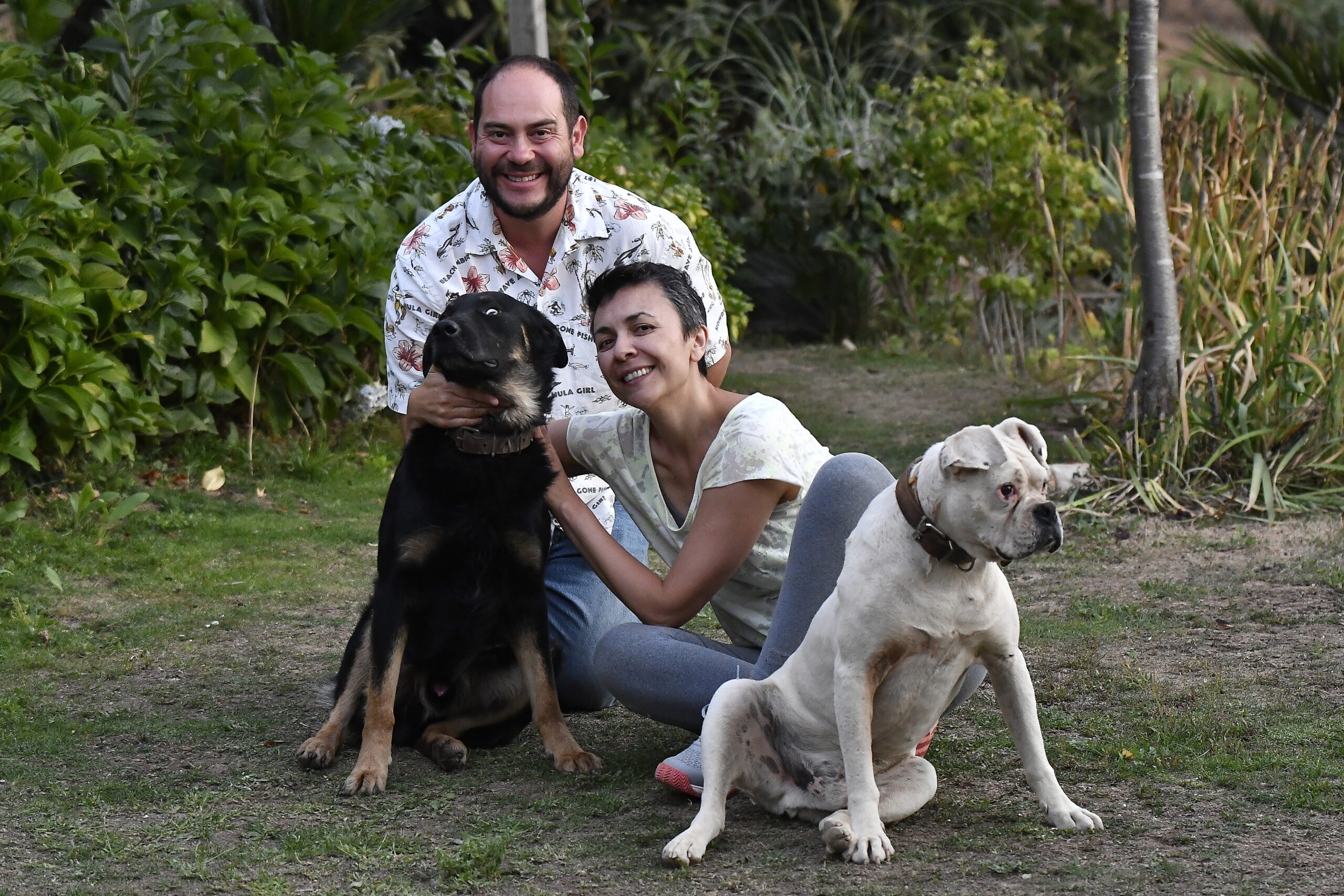 Juan Ignacio Acuña really was a pioneer in Itata. After working many years as a chef, he came back to his family vineyard in Guarilihue in Itata and decided to try to do something to bring back value to the family’s old vines, which were otherwise being sold as bulk. Since 2011 he has been making and selling fine wines from the region under his Viña Zaranda label and boutique family winery.
Right from the start, his focus has been on making ‘gastronomic’ wines that are versatile and refreshing. Using his background as a chef, the focus is on wines that pair perfectly with food situations.
All of Juan’s wines are made with a simple philosophy and using low intervention winemaking techniques. Today Viña Zaranda’s portfolio includes juicy and enjoyable wines made from old vine Chasselas (aka Corinto), Moscatel, Semillon, País and Cinsault.
Website zaranda.com
Instagram @zarandavinos
Viña de Neira (Bandido Neira)
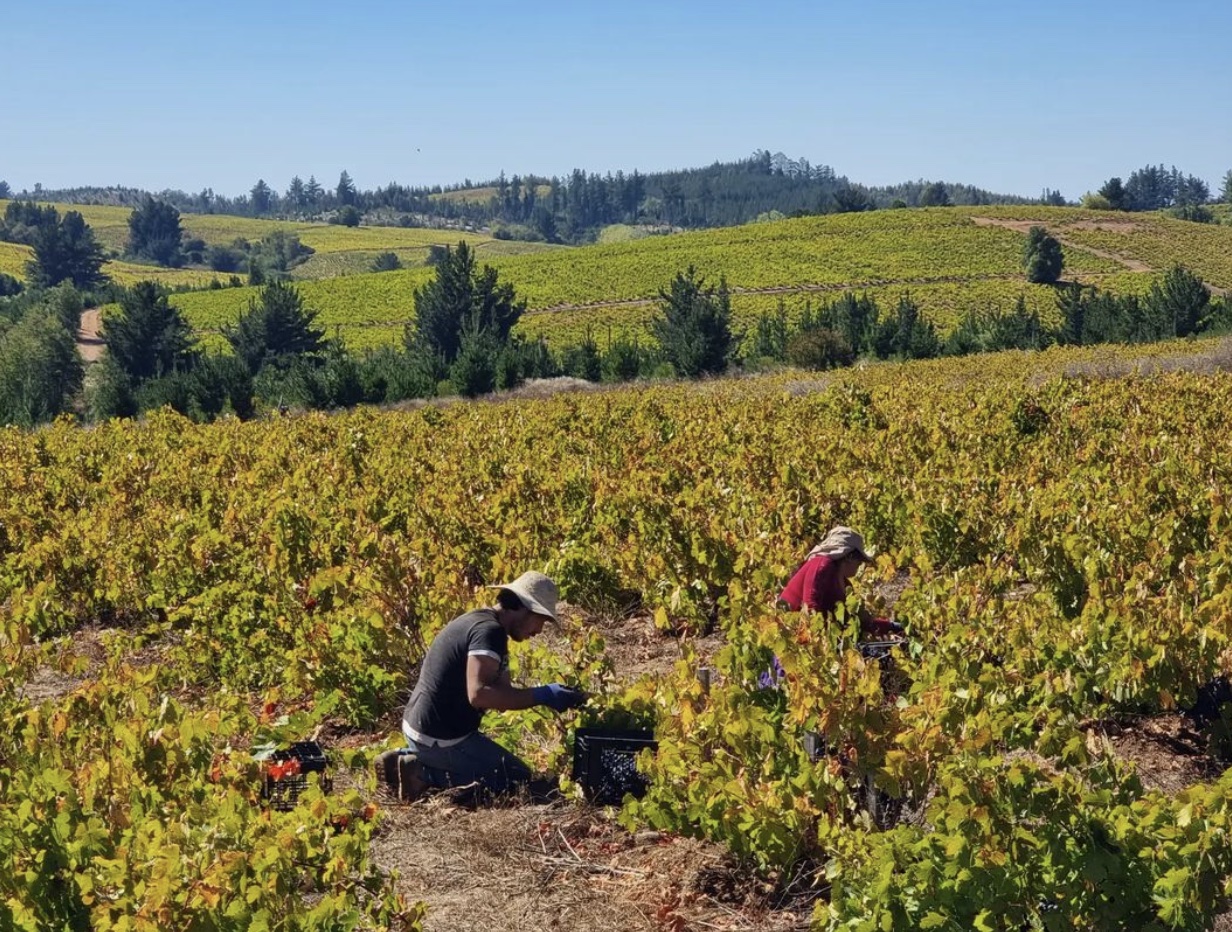 When you see the mysterious bandit on the label of Viña de Neira’s wines, you’ll beg the question why. The story of the bandit starts in 1816 with José Miguel Neira Mondaca, who was known as Bandido Neira, was called on by independence hero Manuel Rodríquez to teach the independence fighters to fight. Although Bandido Neira held up his end of the deal, he was executed by the state shortly after.
The rest of the family fled and became peaceful farmers and wine producers in Itata, which is where their wine story starts. Today Felipe Neira is making the family’s wines, using the grapes from the family estate which includes País vines over 100 years old that were planted by his great-great-grandfather.
As well as making a País, Viña de Neira has wines (both still and sparkling) made from Cinsault, Moscatel de Alejandria and a rose from Pinot Noir.
Instagram @bandidoneira
Viña San Lorenzo
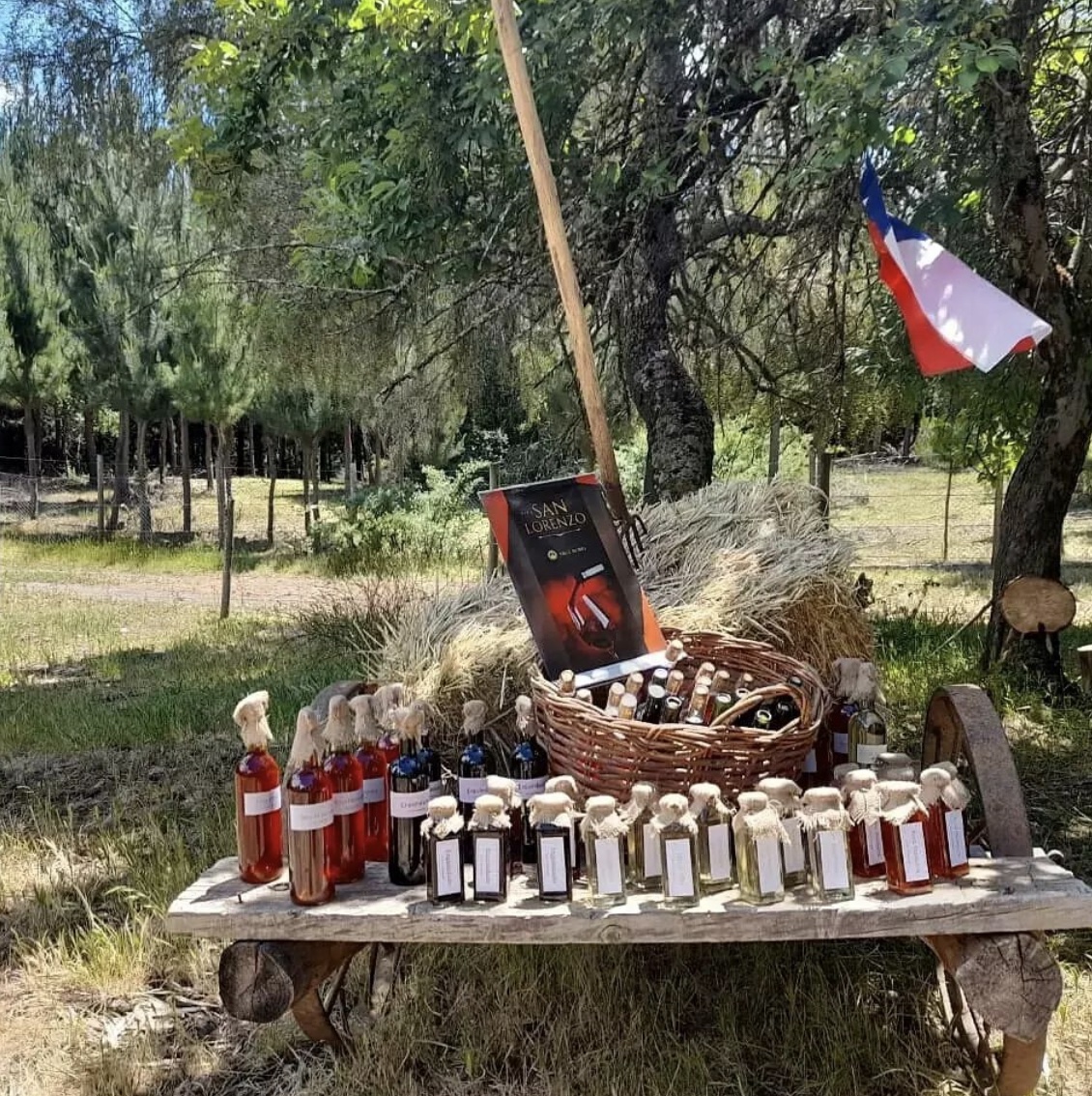 Pamela Zambrano is the fifth-generation of the family to make wines from her family plot of old vines in Yumbel in Bio Bio. The vines are incredibly old, and some records indicate they were first planted in 1767.
Today Pamela makes four different wines from her three hectares of País vines: two reds and two rosé wines, in both dry and sweet versions as is typical in the region. Her dry rosé, Rosé Fermentado, is particularly refreshing as a low alcohol wine just shy of 10% ABV.
With an attractive deck overlooking the old vines, Viña San Lorenzo is open to visits and tastings on appointment.
Instagram @vinos_sanlorenzo
Gustavo Riffo (Lomas de Llahuen)
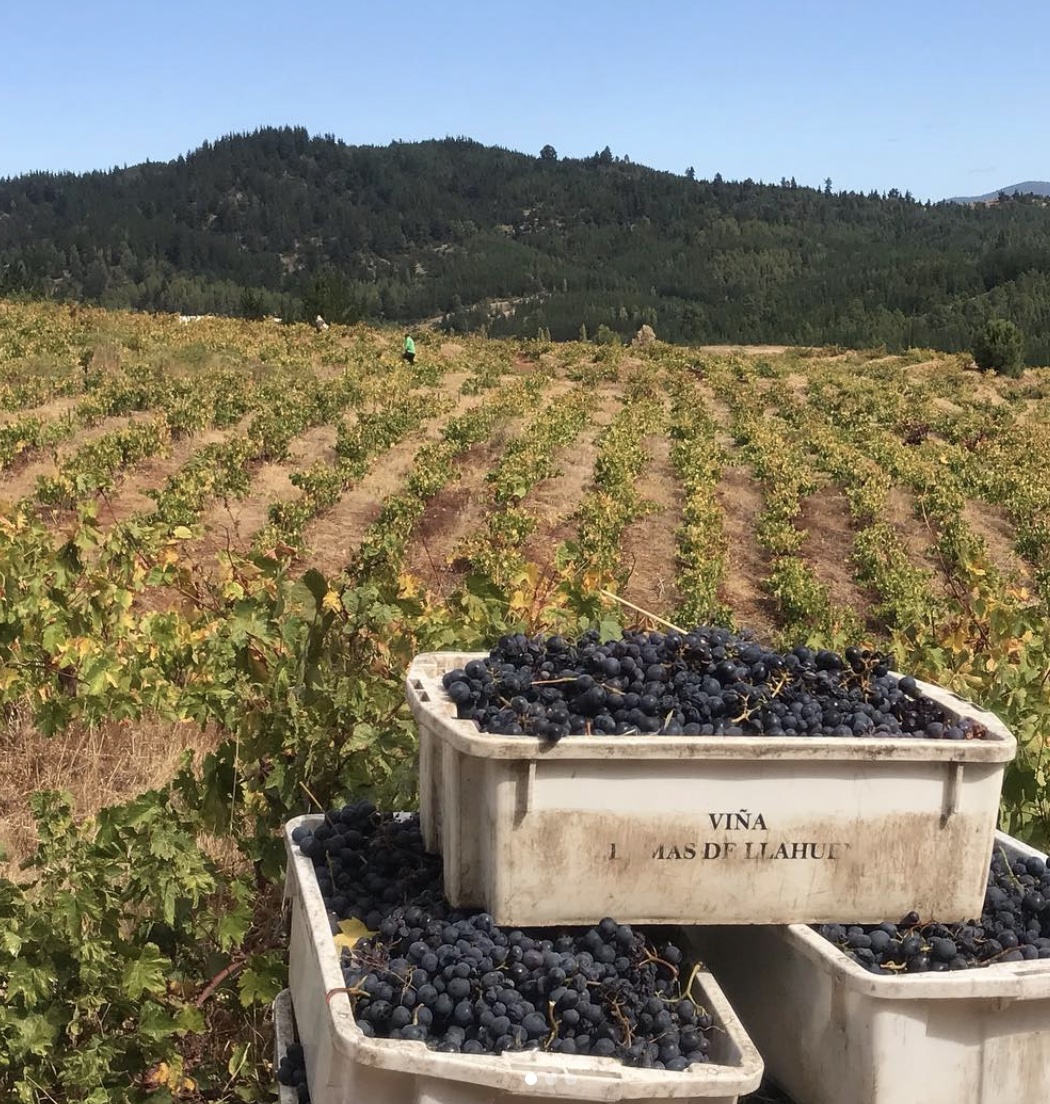 Lomas de Llahuen is the boutique wine production of young winemaker Gustavo Riffo who works with his family’s old vines in Portezuelo in Itata. Making ‘Dama Juana‘ Pipeño in the traditional style with rauli vats, as well as fragrant Moscatel de Alejandria and Cinsault, Gustavo’s production is sought-after in Chile and in the US for the juicy and approachable style.
Practicing organic and biodynamic viticulture in the vineyard, Gustavo Riffo makes his natural wines with minimal intervention and low sulphites.
You can visit Gustavo Riffo on appointment, and an enormous rauli vat has been upcycled into a wine tasting room.
Instagram @vinaslomasdellahuen
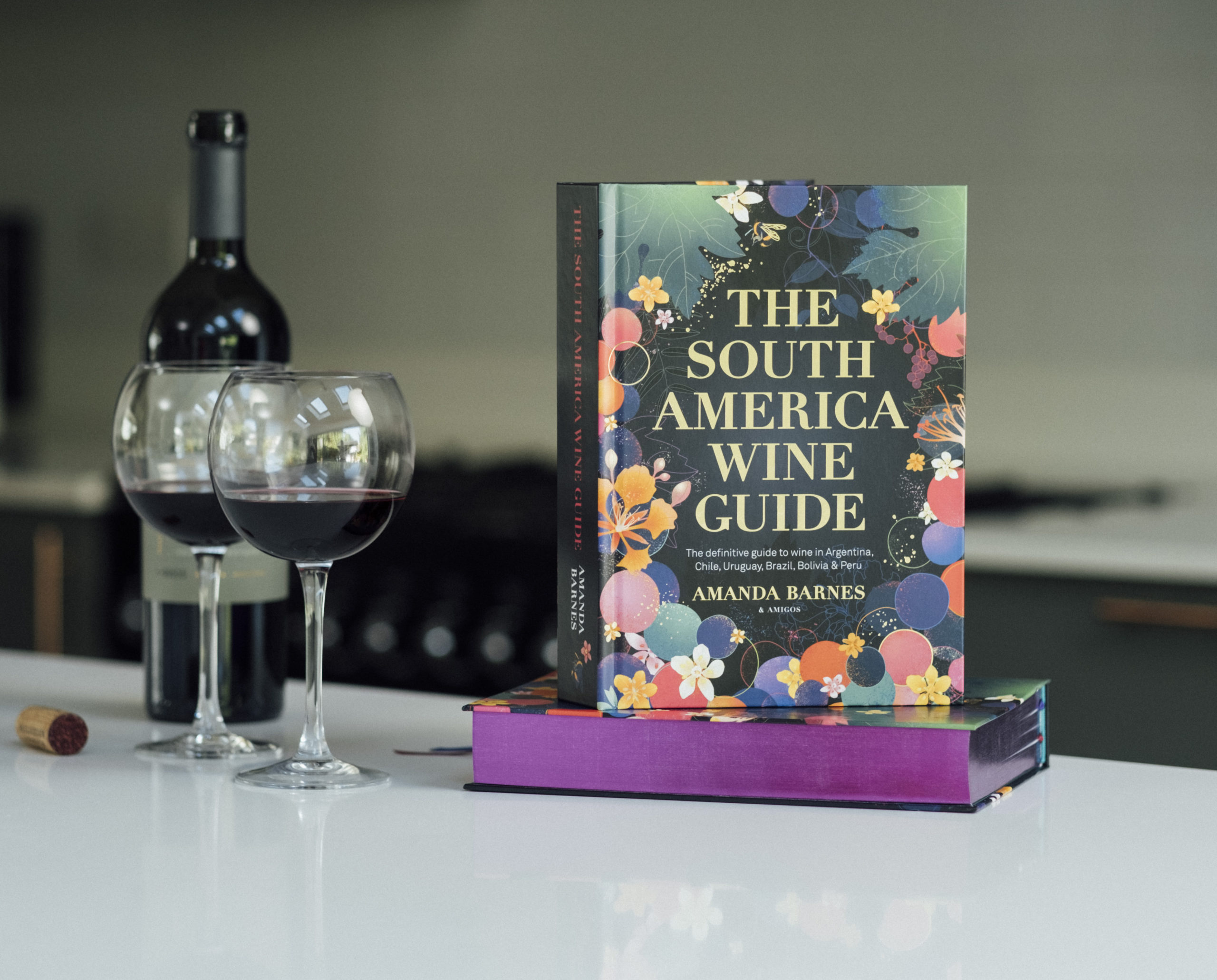
Want to know more about South American wine?
