International Malbec Day, or Malbec World Day, on 17th April is a great excuse to open a couple of bottles of your favourite Argentine variety. Although Malbec became internationally famous for its boom in Mendoza, Argentina, at the turn of the decade, Malbec’s story stretches much further back in history. In our guide to the history of Malbec, we explore French Malbec as well as Argentine Malbec, and how and why we celebrate Malbec Day.
Malbec’s French beginnings: Côt, the Black Wine of Cahors
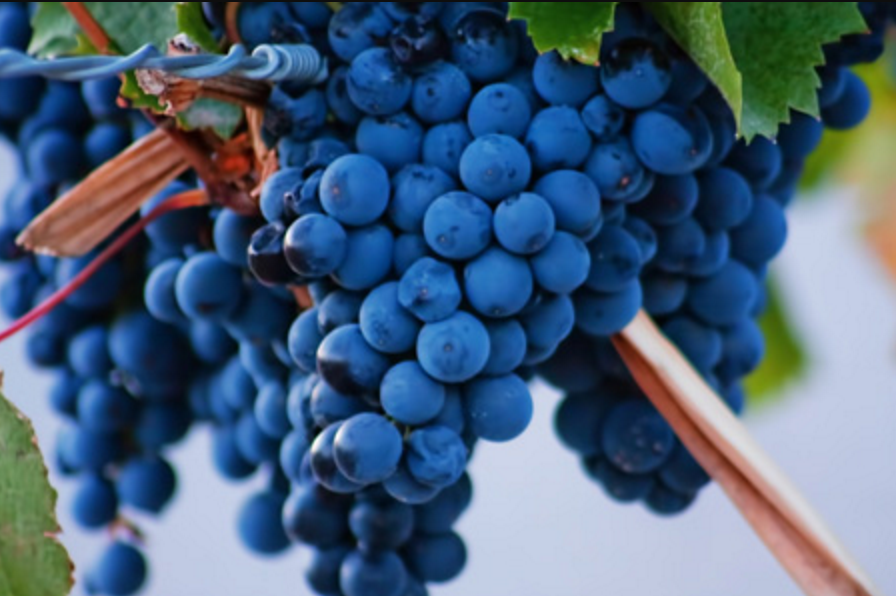
Malbec is a French variety that was widely planted throughout the Middle Ages in different regions in France, where it was so common that it had over 1,000 synonyms. Local growers would give Malbec a local name – Auxerrois, Pressac, Doux Noir, Quercy and Plant du Lot were just a few.
In its heyday, Malbec was known as the ‘black wine’ of France and favoured by Russian Tsars and French aristocracy. Eleanor of Aquitaine was rumoured to be a fan of Malbec, opting to serve it at her lavish parties.
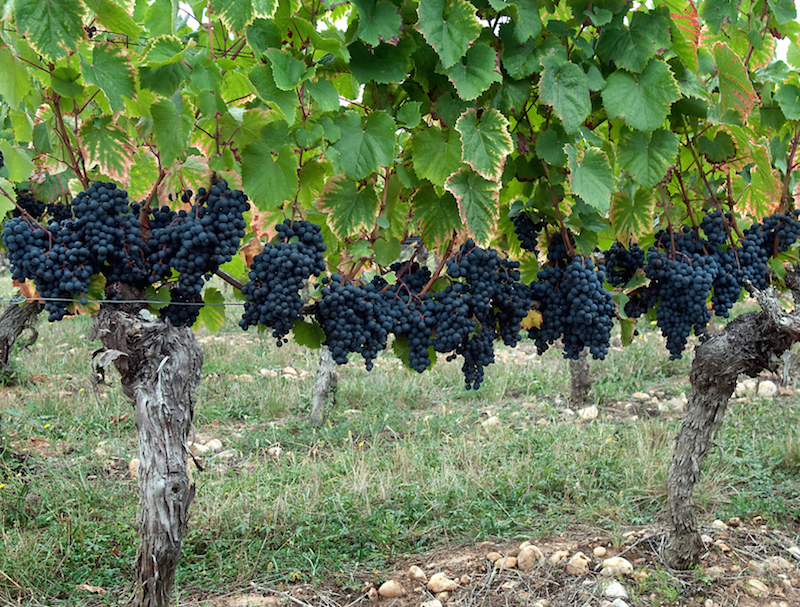 However, with time those names, that fame and those vines disappeared. Malbec was problematic, it was too sensitive to the wet and cold weather of much of France’s wine regions and was relegated to the bottom of the pile. When phylloxera swept across Europe, most growers never replanted Malbec – they opted for more hardy varieties instead.
In Bordeaux, where Malbec once had a stronghold, it has almost disappeared entirely. Malbec remains one of the official five red grapes of Bordeaux, but is, in fact, one of the least planted. Along with Carmenère, Malbec makes up less than 1% of Bordeaux’s red grape vineyards.
The only region that kept Malbec as its flagship variety was Cahors, where it went by the name of Côt. There, in South West France, Malbec remained King. Known for its particular character, Cahors wines were an incredibly dark colour with tight acidity; they were wines that required a few years to loosen up.