We caught up with winemaker and doctor Laura Catena, from the renowned Catena Zapata wine dynasty, for 80 Harvests and asked her about the history of Malbec in Argentina and its future direction in the different regions of Mendoza. If you are interested in learning about the regions of Mendoza, the clonal selection of Malbec and what makes it work in Argentina, this is the interview for you!
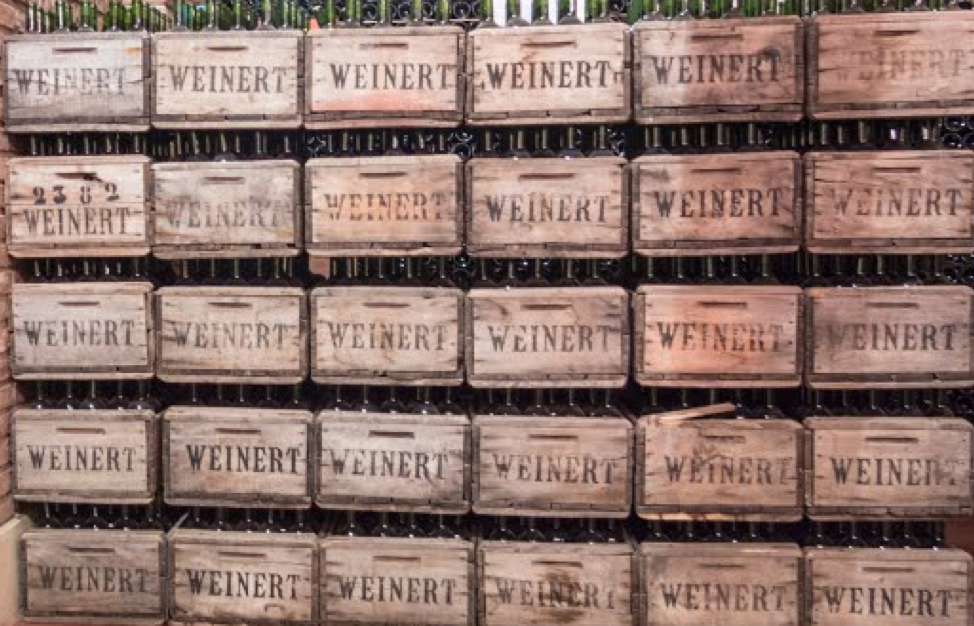
Bodega Weinert is one of the closest wineries to the city of Mendoza, in the urbanised area of Lujan de Cuyo only half an hour away from downtown. Part of the reason it is so close is because this is one of the most historic wineries, originally built in 1890 by a Spanish immigrant family named Otera. Unfortunately, it closed and fell into ruins by the 1940s during turbulent economic times in Argentina.
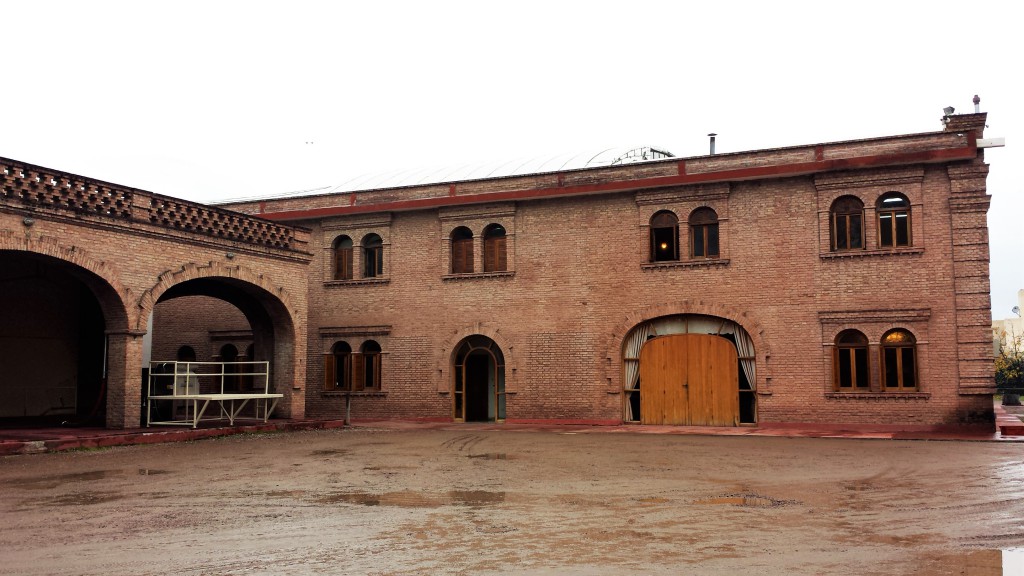
It was brought back to life, and wine production, by a Brazilian family – the Weinerts. The owner’s son, Andre Weinert, runs the winery and welcomed us through the front door and wine shop to take us on a tour. Andre explained that his father Bernardo owned an international transit company whose routes took him through Chile, Argentina, Uruguay and Brazil. He fell in love with Mendoza on his travels from Chile through Mendoza, en route to Buenos Aires, and the quality wines from the area fascinated him. So he bought the dilapidated building and renovated it by 1975 under the guidance of Raúl de la Mota who soon became their winemaker.
The winery is no longer surrounded by vineyards, as the vineyards gave way to the expanding city, but now the winery buys grapes from select local vineyards. However, they skipped a vintage this year, due to the difficult climate conditions in the area.
 As we made our way past the endless hallways lined with casks of aging wines, Andre explained how they still use historic, large wine casks that store between 2,500 to 6,000 litres, much more than smaller 225 litre barrels. They believe the larger casks help the wines age more slowly, giving them more harmony, a deeper oxygen influence but not an over-oaked feel. The vats are historical, but they are also quite expensive and hard to acquire now. Weinert has around 260 oval casks, likely the most of any winery in Argentina. During the tasting we saw the style that comes from the slow aging over years spent in the casks, helping maintain the elegance and a beautiful evolution over time.
Andre explained the family philosophy as, “We make wines that we like. Trends will come and go, so it’s important to have your own identity.” This is why they have kept these casks over the years. “We never saw the need to change because we love the quality.”
A tasting to remember
Andre brought us into the tasting room with a table lined with 11 wines of all their current vintages: Tempranillo, Malbec, Merlot, Cabernet Sauvignon and blends from vintages ranging from 2013 to 2006.
The oldest were the Cavas de Weinert wines which are aged 3.5 to 4.5 years in the casks – quite unusual for the New World, and Argentina. These were very unique and interesting wines to taste, but we had no idea what was coming next…
We ventured back to the cellars to a rack of dusty bottles with a sign “Weinert Malbec 1977” — the wines from their first vintage! Andre pulled a bottle, dusted it off and brought it carefully to the table.
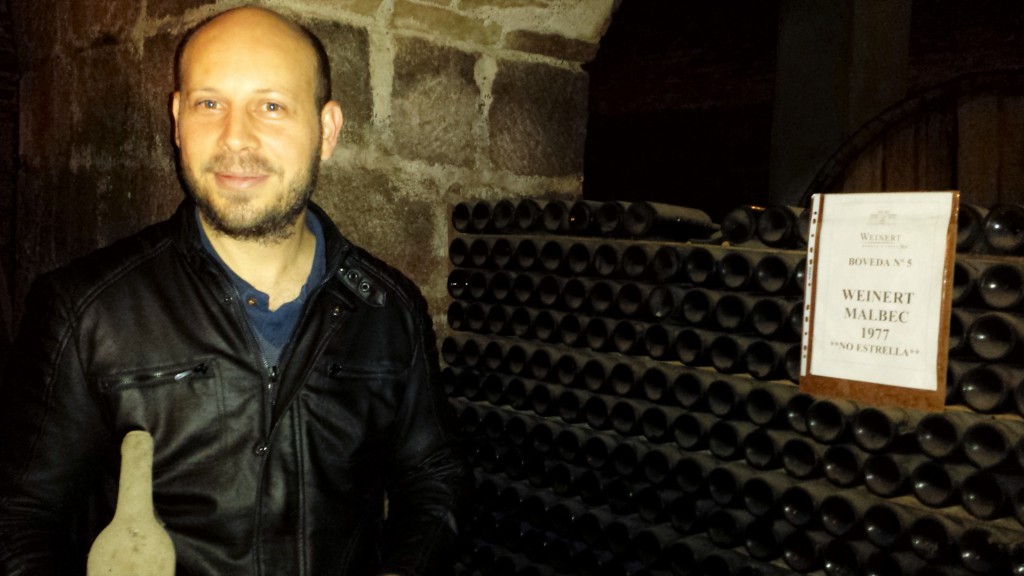
Weinert’s winemaker, Hubert Weber, joined us just as we were getting to taste the 1977 Malbec. My notes are a bit scratchy at this point, after 11 wines, but it certainly made an impression on me. The wine had a garnet hue, an aged and complex aroma, but surprisingly wonderfully drinkable and fresh mouthfeel, full of dried red and dark fruits. As the wine opened in the glass, we saw more aromas emerge. This was the oldest Malbec I’ve ever tasted and Argentine Malbecs clearly have great evolving potential.
 Together we polished off the 39 year old wine and talked about how Hubert came to Mendoza from Switzerland as a young intern winemaker at Weinert and then was hired as head winemaker when Raúl de la Mota retired. He talked us through the trends in winemaking in Argentina, his style and how it aligns with Weinert’s and his favourite vintages from Argentina.
We couldn’t have asked for more. It was one of the most unexpectedly authentic experiences of Argentine wine and history, brought to us by a Brazilian and a Swiss! Weinert was certainly full of surprises, and was a great taste into Mendoza’s past and present.
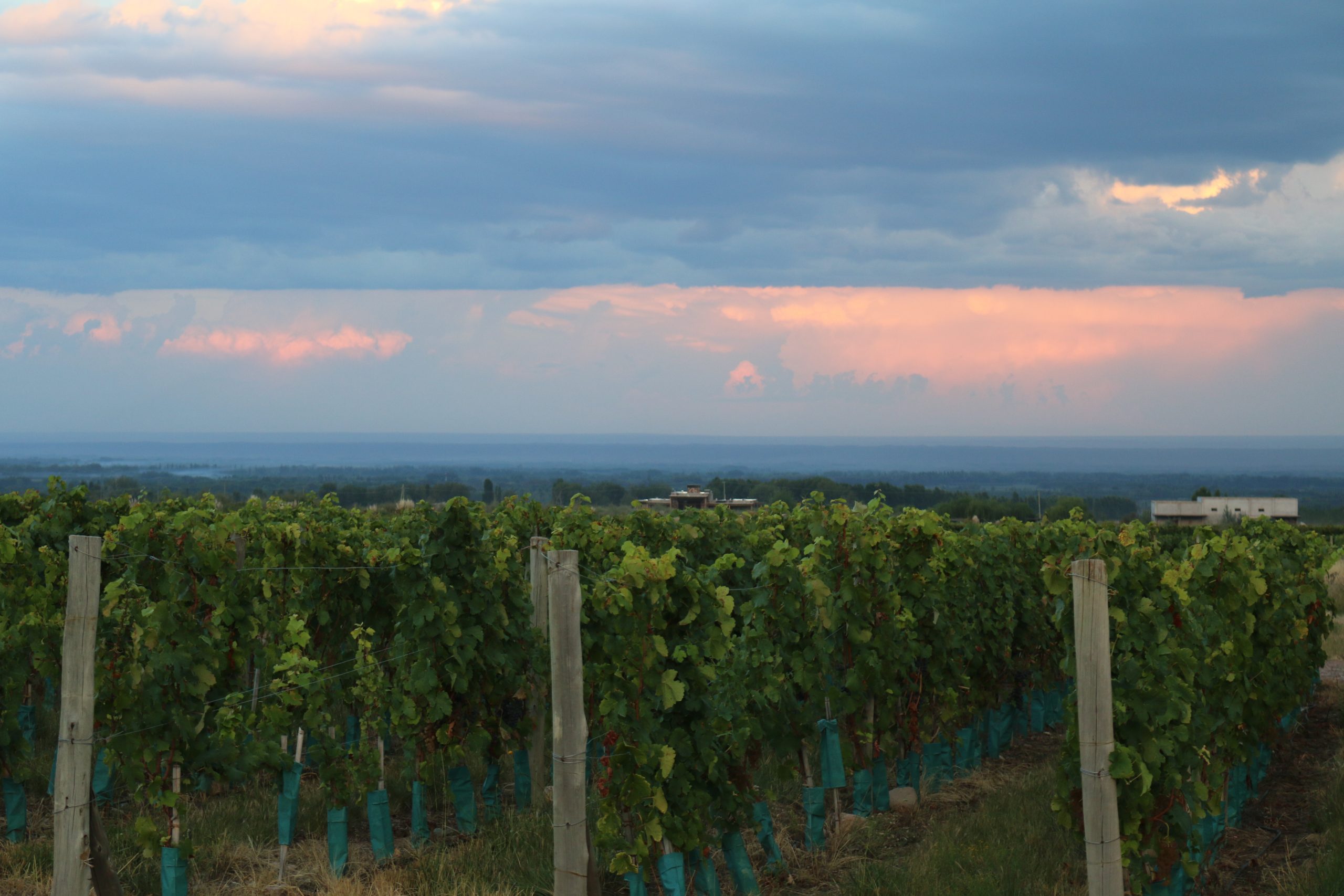
This year was a wet one for Argentina’s biggest wine region, Mendoza. Cuyo is the heart of the Argentine wine scene, producing the large majority of wines in the country, and was the worse affected by the wet and cool effects of El Niño which dropped wine production numbers by around 40% this year.
“This year the problem was peronospora and powdery mildew, because the rains came early they attacked the leaf a lot,” explains Trapiche winemaker Daniel Pi.
The rain and associated health problems in the vineyard meant that producers needed to use around 400% more treatments in the vineyard than usual. While the treatments needed in the vineyard were still a lot less than needed on a normal year in Bordeaux, in the land of ‘sol y vino’ it was an additional cost which many small producers weren’t prepared to fork out. The biggest losses were in the east of Mendoza where the grape prices aren’t high enough to warrant the additional vineyard costs and so producers abandoned their vines.
It wasn’t all bad news though, many winemakers were pleased with their results as the rain and cooler temperatures made it a fresher vintage, lowering alcohol levels by up to 2% “2016 is a year for those who – like me – appreciate freshness, tension, low alcohol and natural acidity,” said Altos Las Hormigas winemaker Leonardo Erazo. “The ones that appreciate spices and long fine-grain tannins. The ones that appreciate Malbec wines that effortlessly fill tables with empty bottles. For those who appreciate this style, 2016 was a truly fine year.”
Beyond Mendoza, producers were also pleased with this year’s vintage. Rio Negro and Neuquen had an average year however their grape prices rose dramatically as Mendoza winemakers came south to get the extra fruit. San Juan also had a productive harvest making it a sought-after fruit supplier. And in the far north in Cafayate, Salta, the harvest had a reduced numbers due to a frost earlier in the season but the fruit was concentrated and balanced making it a top vintage.
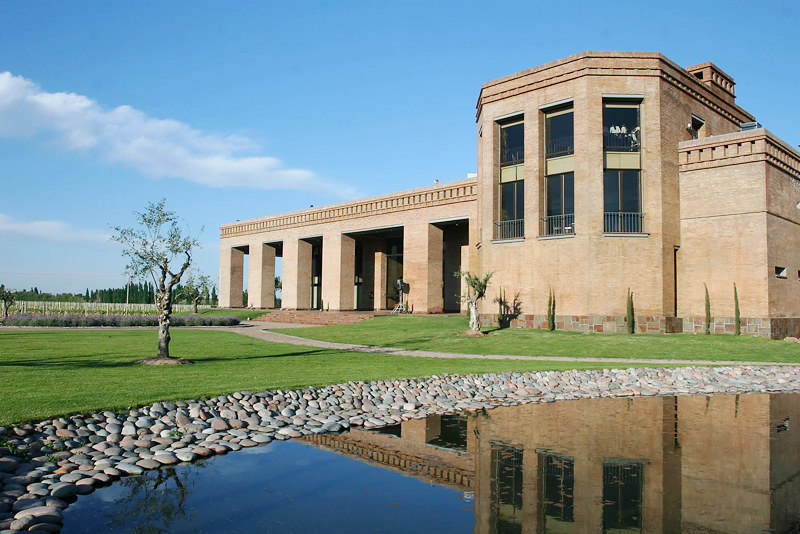
With some Spanish money behind this project, the main attraction in Belasco de Baquedano winery is the impressive sensory aroma room where you can train your snout by sniffing all the different aromas that appear in wine from primary fruits, to oak induced spice and even defects in wine like skunk and sulfur. 46 different primary, secondary and tertiary aromas are captured in chemical form in different containers so you can test your ability to recognize different aromas in a wine.
After a good time sniffing, head to the restaurant for a wine paired lunch, or to the tasting room to put your new nose skills into practice.
The upstairs restaurant has a good view over the vineyards and the distant mountains with a large terrace perfect for posing for pictures. Back inside, the busy dining room serves a fixed four-course menu with wines paired to the food. Expect pretty tapas dishes, tangy goats cheese salad, and a big piece of steak to grace the menu as well as a sweet dessert to go with their Late Harvest Malbec.
Most of Belasco’s wines are Malbec however they are increasingly diversifying with Malbec rose and sparkling Malbec as well as a Torrontes.