Over the past decade, Bodega Otronia and Argento have been determinedly building a reputation — the former as one of the most extreme vineyards and most exciting wines from Patagonia; and the latter as one of the leading organic wine producers of South America. Now there’s a new sister in town… the thrilling new single parcel range of Viña Artesano.
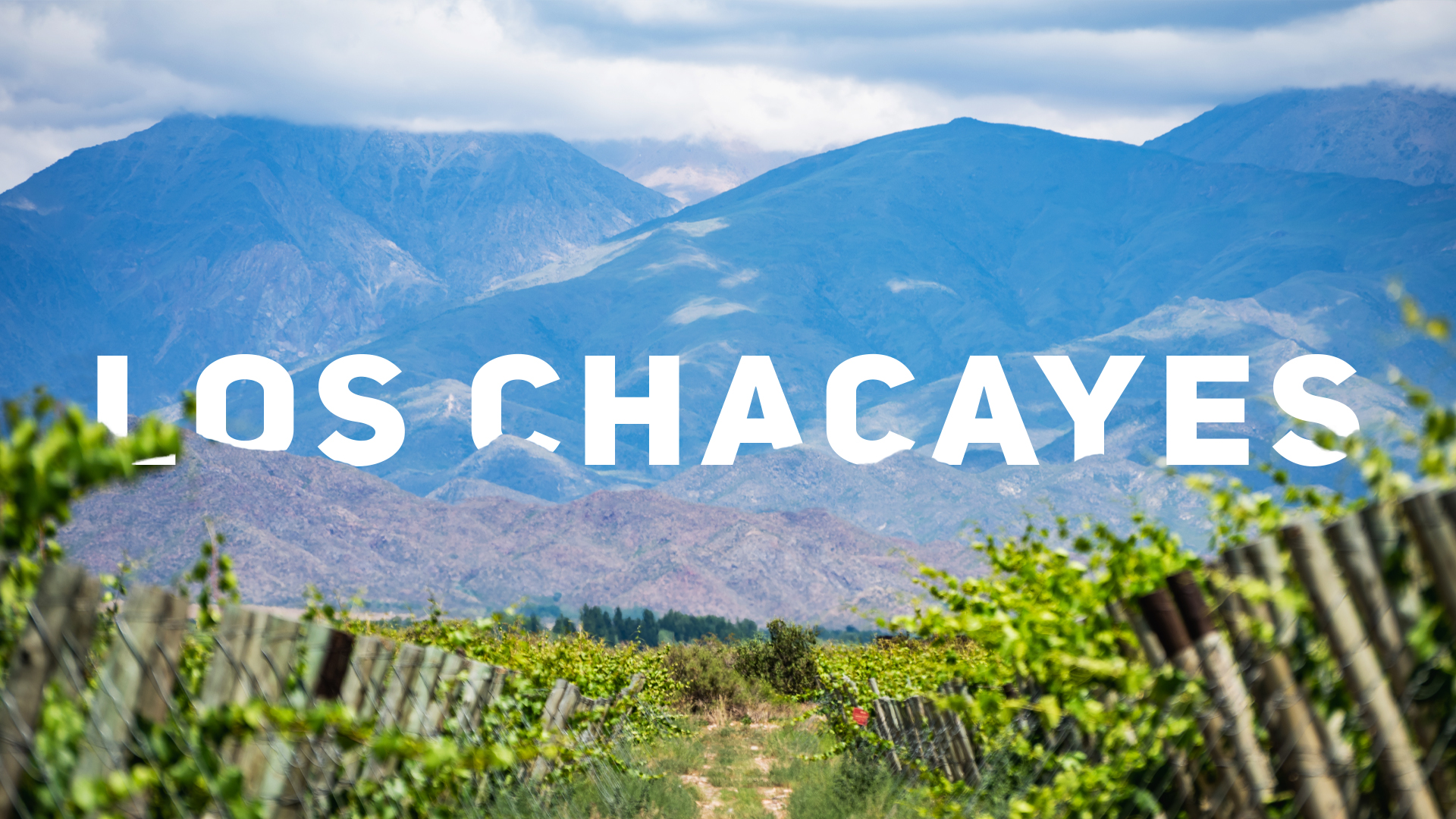
Born from years of soil research and biodiversity mapping under the Matriz Viva program, Viña Artesano is a new, separate brand dedicated to highlighting the most distinctive blocks within Argento’s vineyards in Mendoza — from Alto Agrelo in Lujan de Cuyo to Gualtallary and Paraje Altamira in the Uco Valley. Each wine is dedicated to express not only its particular terroir, but also the invisible ecosystems that sustain it.
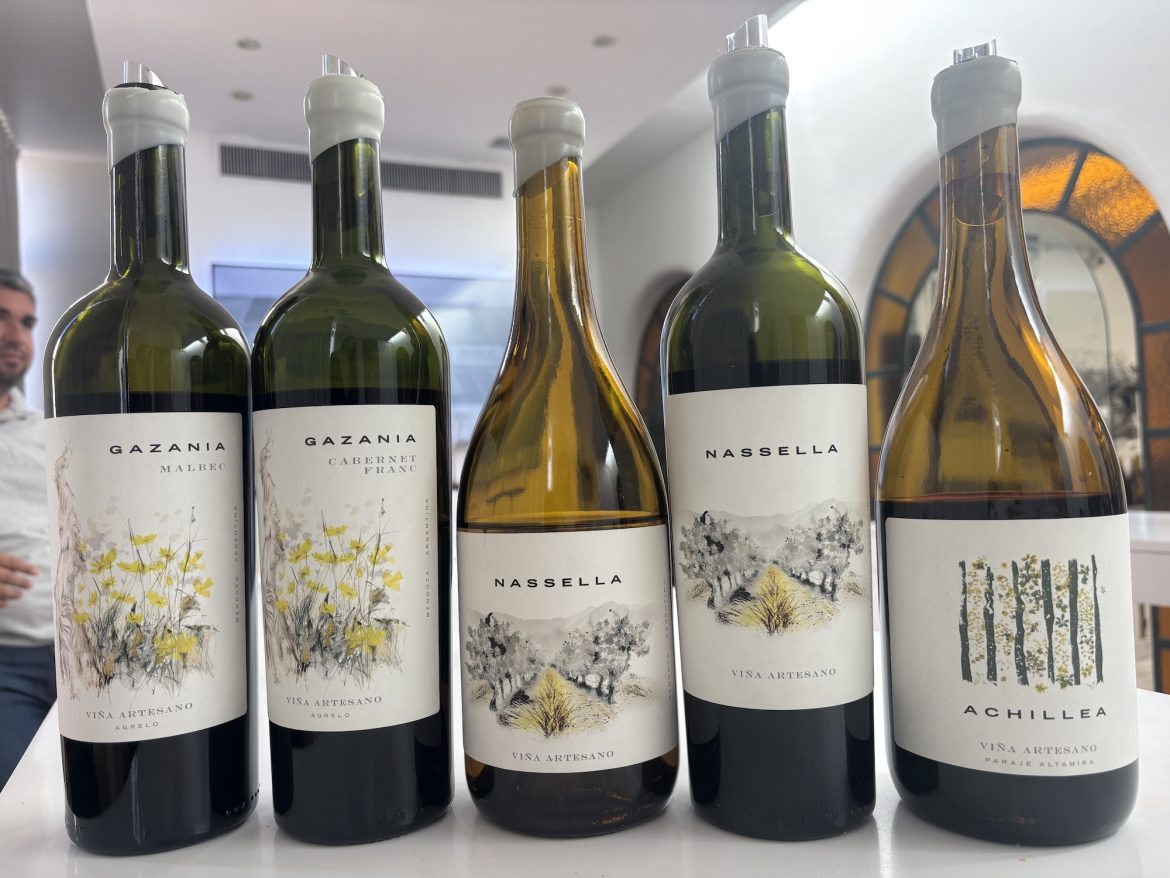
Set to be launched this month, the first vintage is 2021 with a pair of Malbecs from Gualtallary and Altamira. The 2022 vintage sees the addition of a Gualtallary Chardonnay, and Malbec and Cabernet Franc from Alto Agrelo — a region newly recognised as a Geographical Indication (IG), thanks in large part to the research and lobbying of the Argento team and their neighbours.
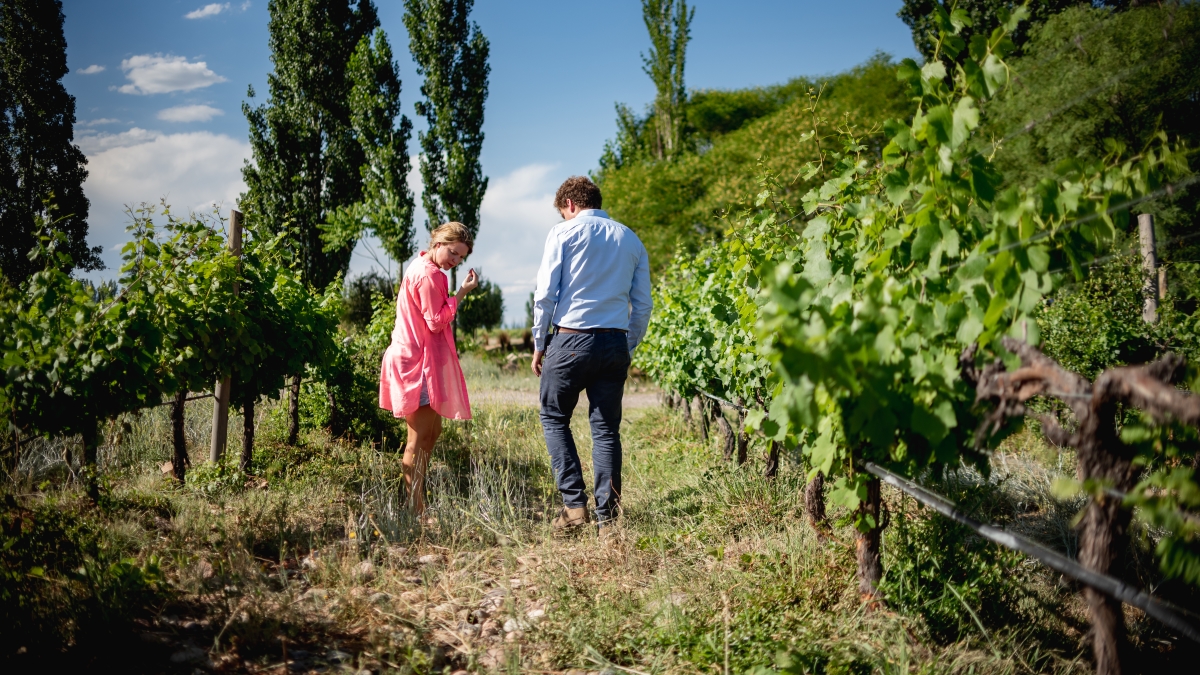
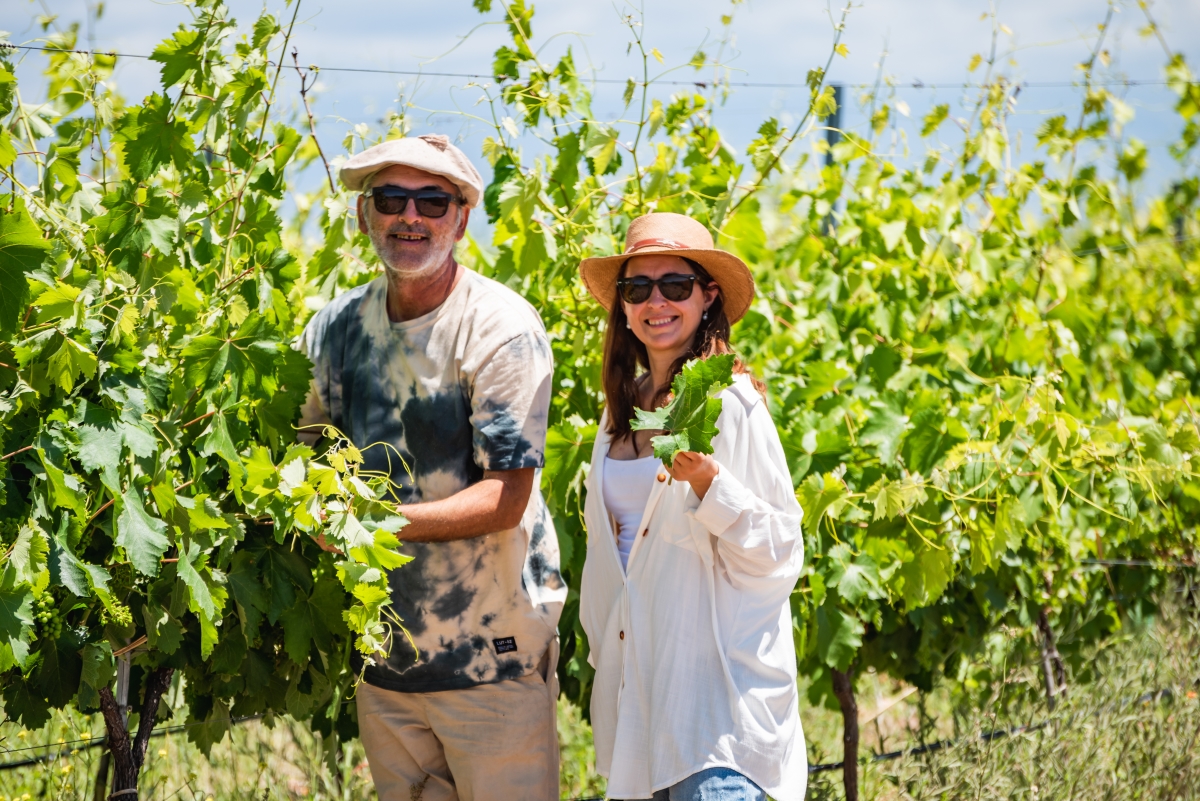
What makes these wines especially compelling is not just their focus on terroir, but the way they embrace biodiversity as a genuine farming tool. One of my favourite stories is about the ants. In organic vineyards, ants can be a real threat, stripping leaves to feed the fungi that sustain their queens underground. Left unchecked, they can decimate 15–20% of a crop. Instead of eradicating them, the team at Viña Artesano works with nature: planting native flowers like nassella (alongside non-natives like gazania and achillea) to distract the ants, and even creating “ant corridors” to lure them away from the vines. The ants prefer the flowers, leaving the grapes relatively untouched — though the team still accepts a modest 5% loss as part of maintaining organic certification. It’s a vivid reminder that farming with nature isn’t always neat, but it is honest.