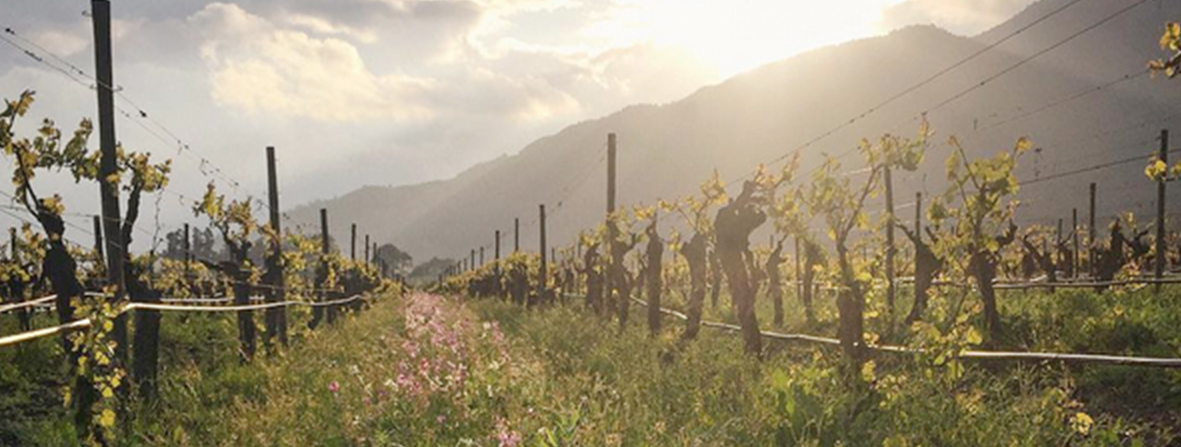
Not too long ago, biodynamic farming was seen as quackery in Chile. But over the last decade, the number of biodynamic wine producers has more than doubled and there is a growing legion of biodynamic wineries in Chile.
.
As many of Chile’s wine regions have a dry and sunny climate, it is reasonably easy to produce organic wines in Chile. Taking your production to biodynamic viticulture is now seen as the next step for many Chilean wine producers who are looking to create a sustainable ecosystem. Each year a conference on biodynamic wine in Chile and Argentina is held, where biodynamic producers unite to share their intel and experience.
.
Here’s a rundown of some of the biodynamic wineries in Chile to look out for.
.
.
Biodynamic wines in Chile
.
Antiyal
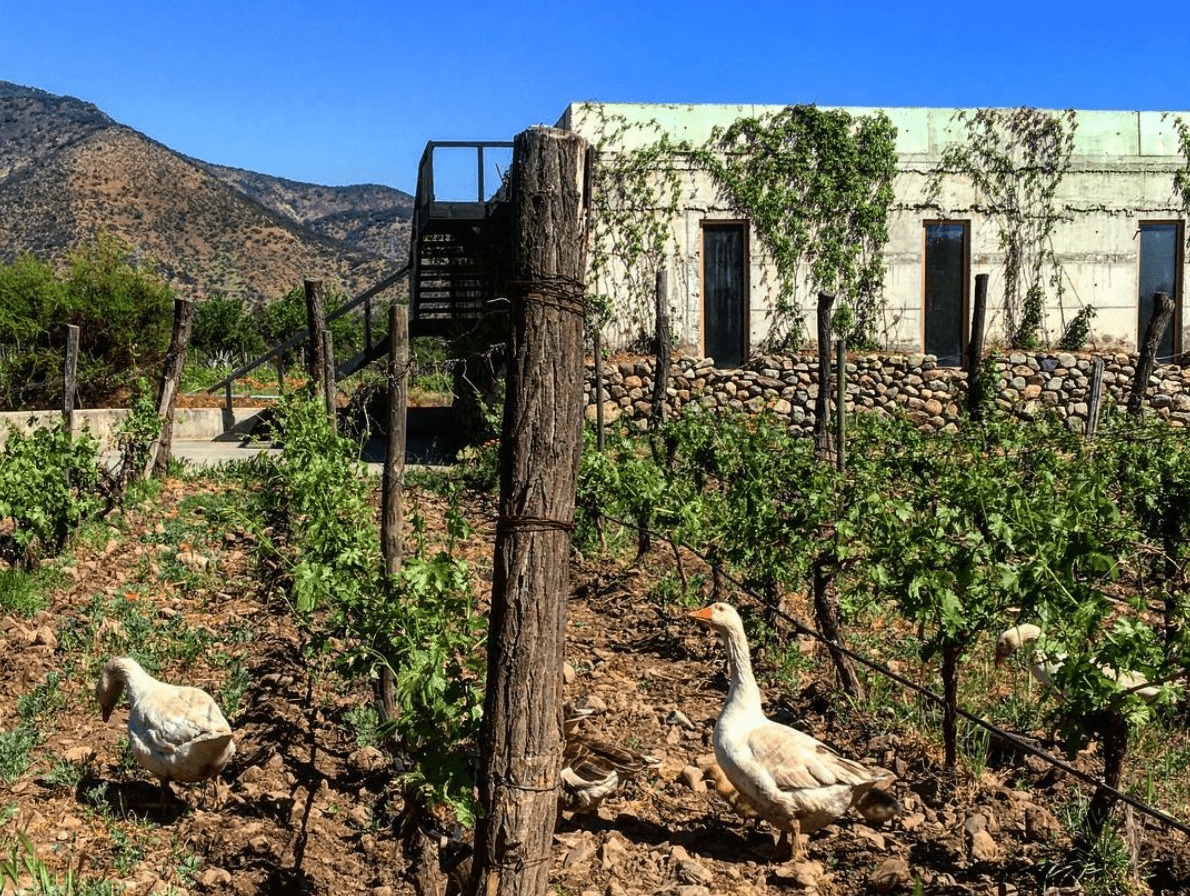
Álvaro Espinoza is one of the leading biodynamic wine consultants in Chile and Antiyal is his boutique label, under which he produces excellent wines in Maipo. Family-run, boutique and biodynamic.
.
.
Matetic
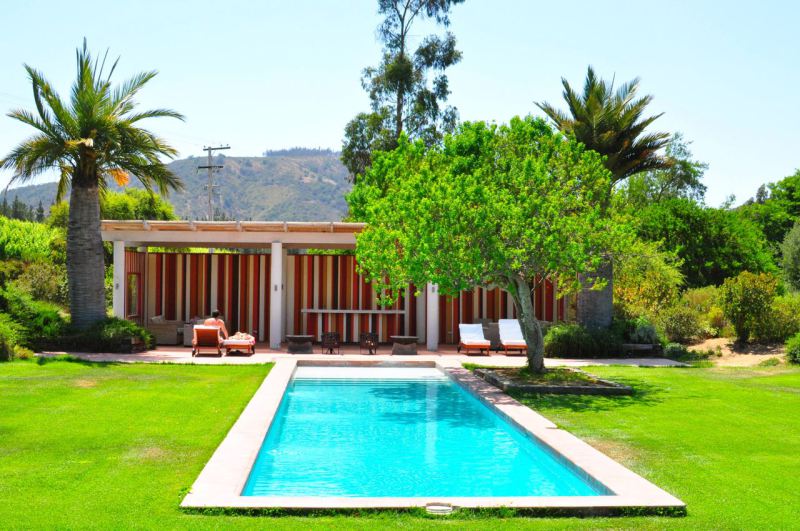
One of the greatest advocates for biodynamic wines in Chile, Matetic produces biodynamic wines from grapes grown on their 160-hectare estate in San Antonio and Casablanca. They are also one of the top wine tourism hotels and restaurants in the region and they serve organic, and in many cases biodynamic, ingredients from their garden and working farm.
.
Koyle
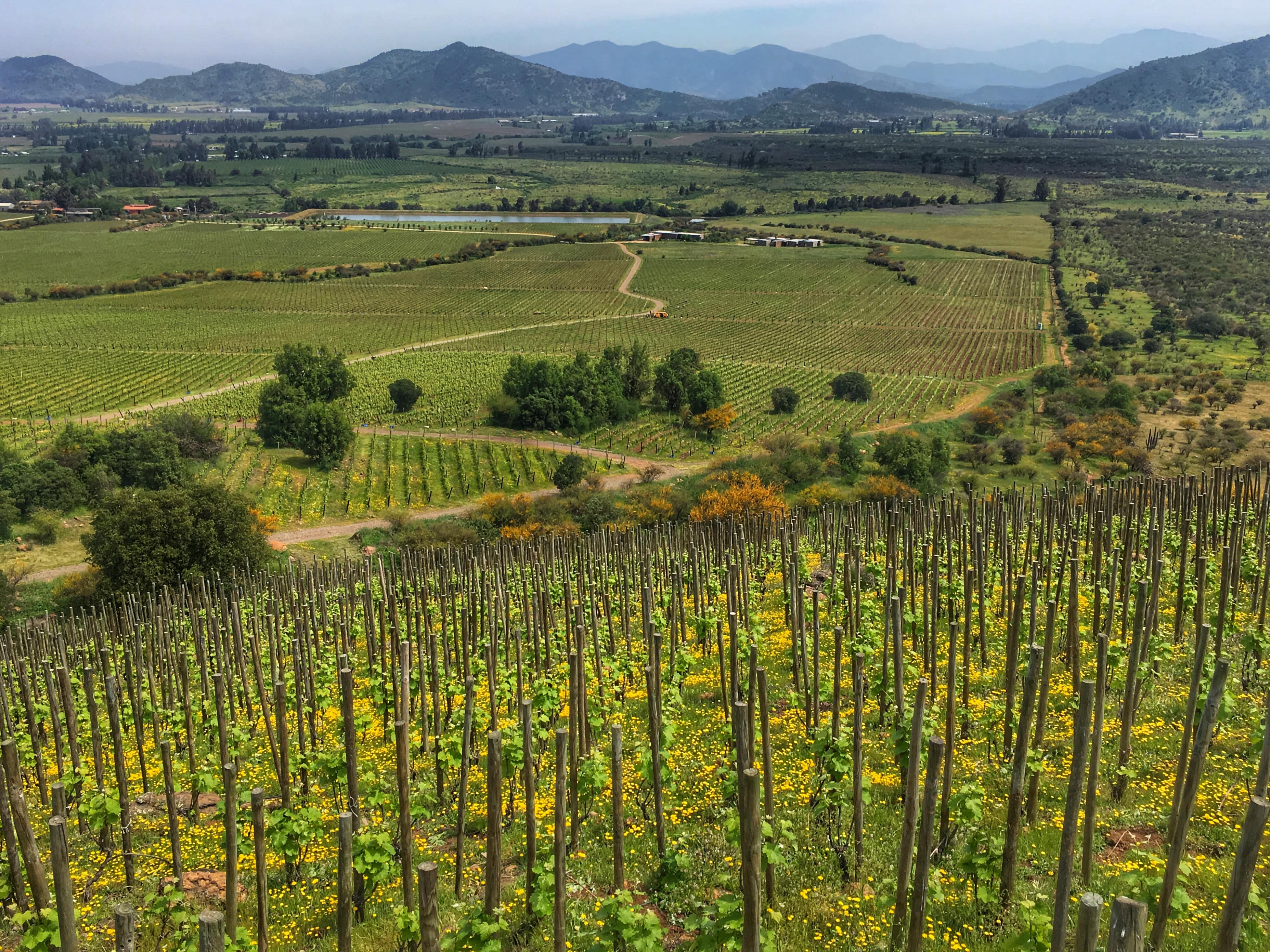
Under the hand of Cristóbal Undurraga, Viña Koyle converted their 80-hectare estate into biodynamic and organic farming. Today Koyle produces a range of energetic and vibrant wines in Alto Colchagua.
.
.
Lurton: Hacienda Araucano
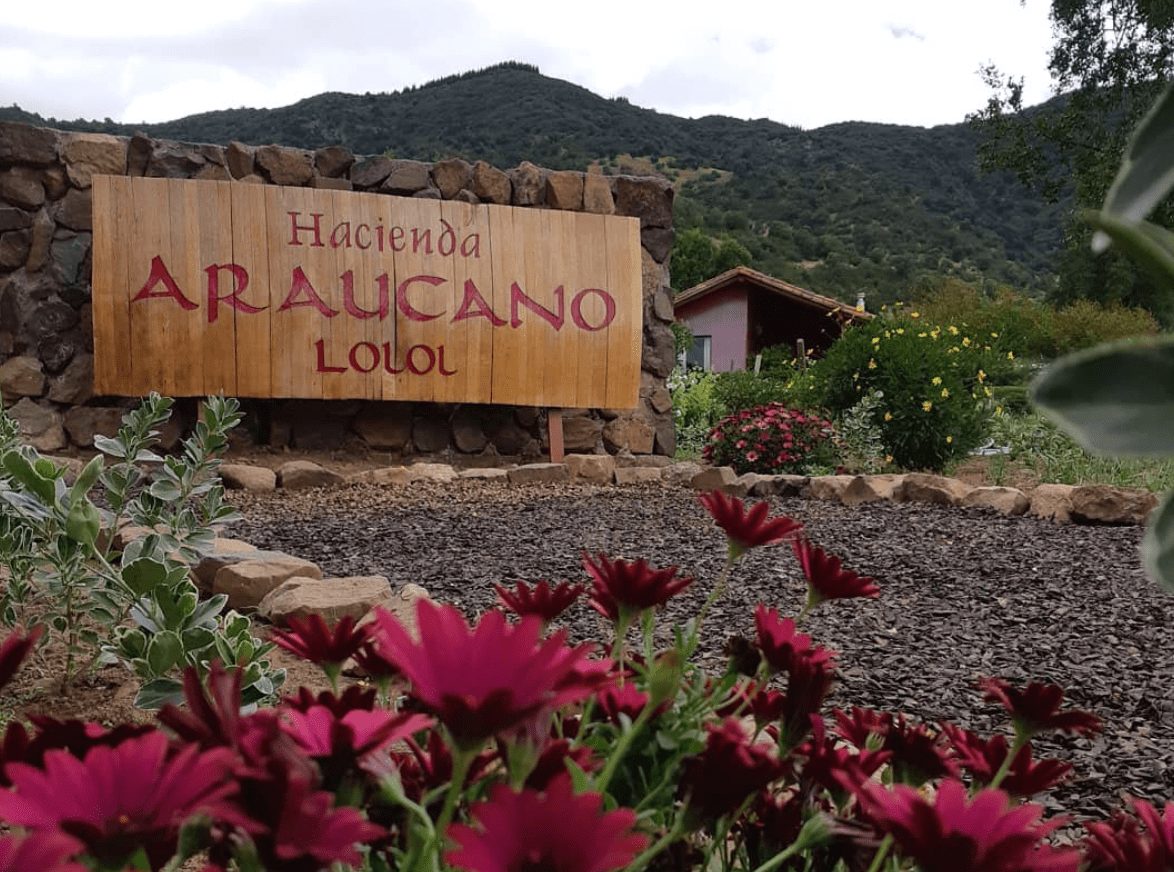
Francois Lurton’s winery in Chile, Hacienda Araucano, has converted to biodynamic production, much like his winery in Mendoza – Piedra Negra. To taste his biodynamic wines in Chile, you can organise a visit to the winery in Colchagua.
.
Odfjell
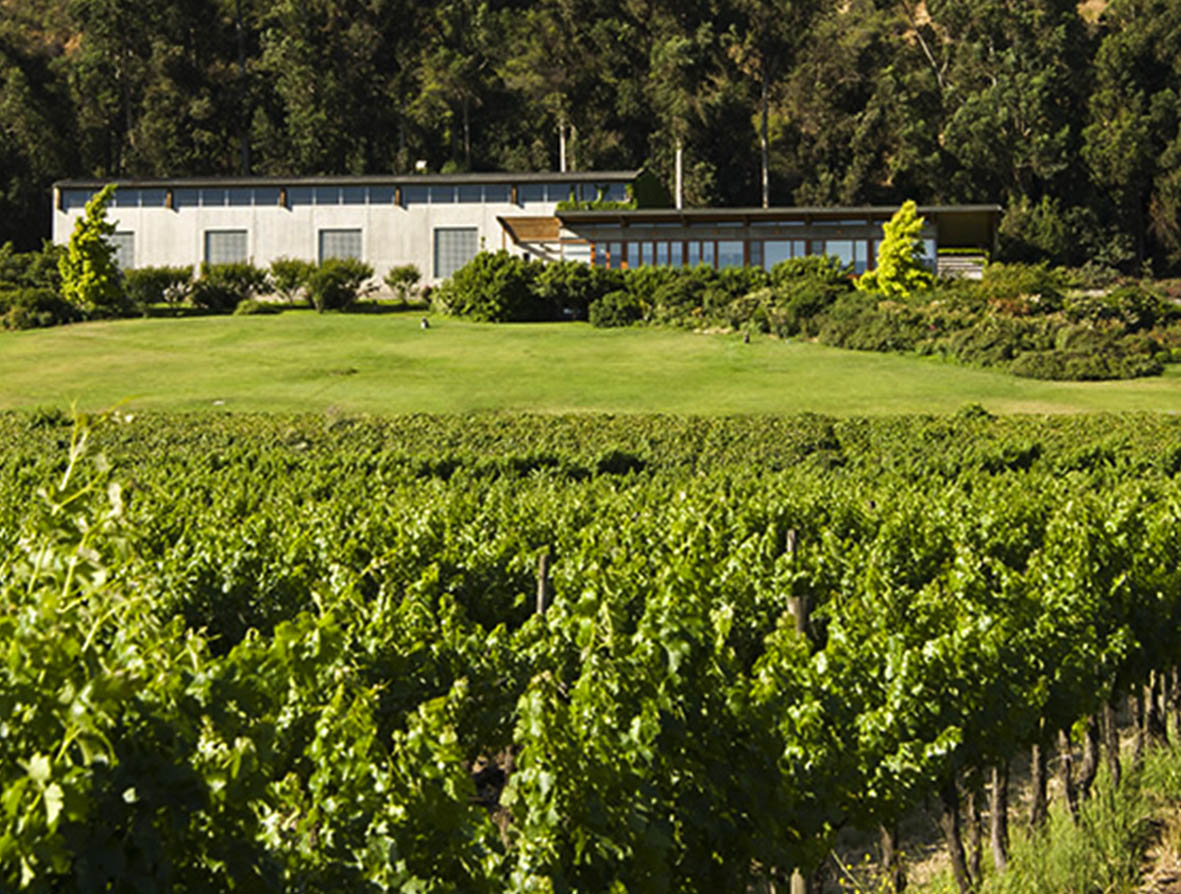
Odfjell winery and vineyards in Maipo and Maule are managed biodynamically and the estate even has their own troop of Norwegian horses to plough the land.
.
Tipaume
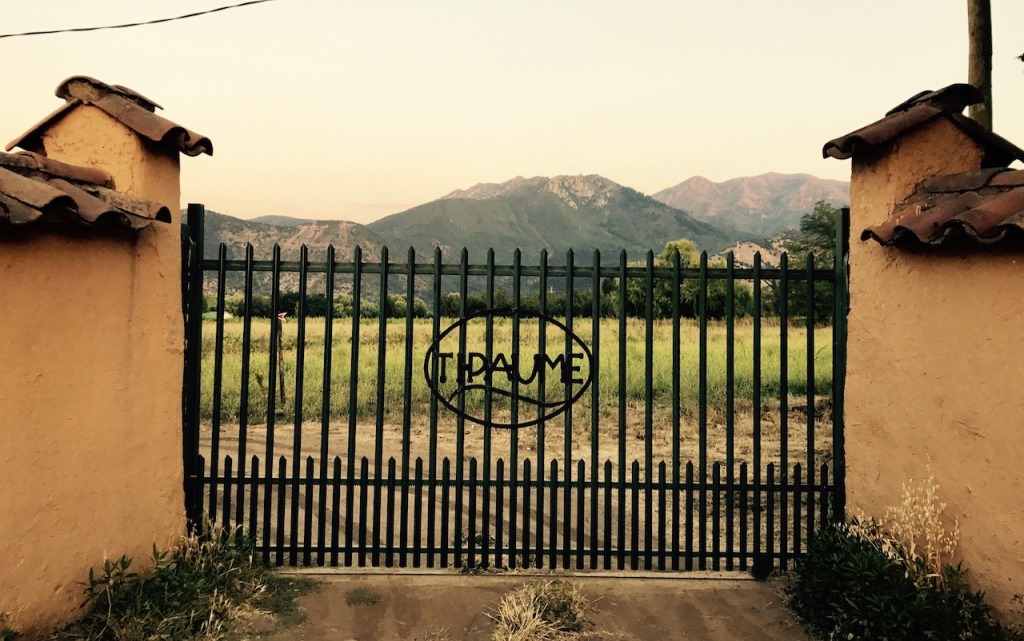
A boutique biodynamic winery in Alto Cachapoal, Tipaume makes two wines – Tipaume and Grez (which is made in clay amphorae). They aim for minimal intervention winemaking and the winery is all underground, so as to intervene as little as possible with the landscape and habitat.
.
Emiliana

One of the largest organic and biodynamic wine producers in Chile, Emiliana has over 674 hectares that have been certified biodynamic (out of their 908 hectares of vineyards). Emiliana’s consultant winemaker is Chile’s biodynamic guru Álvaro Espinoza.
.
Lapostolle
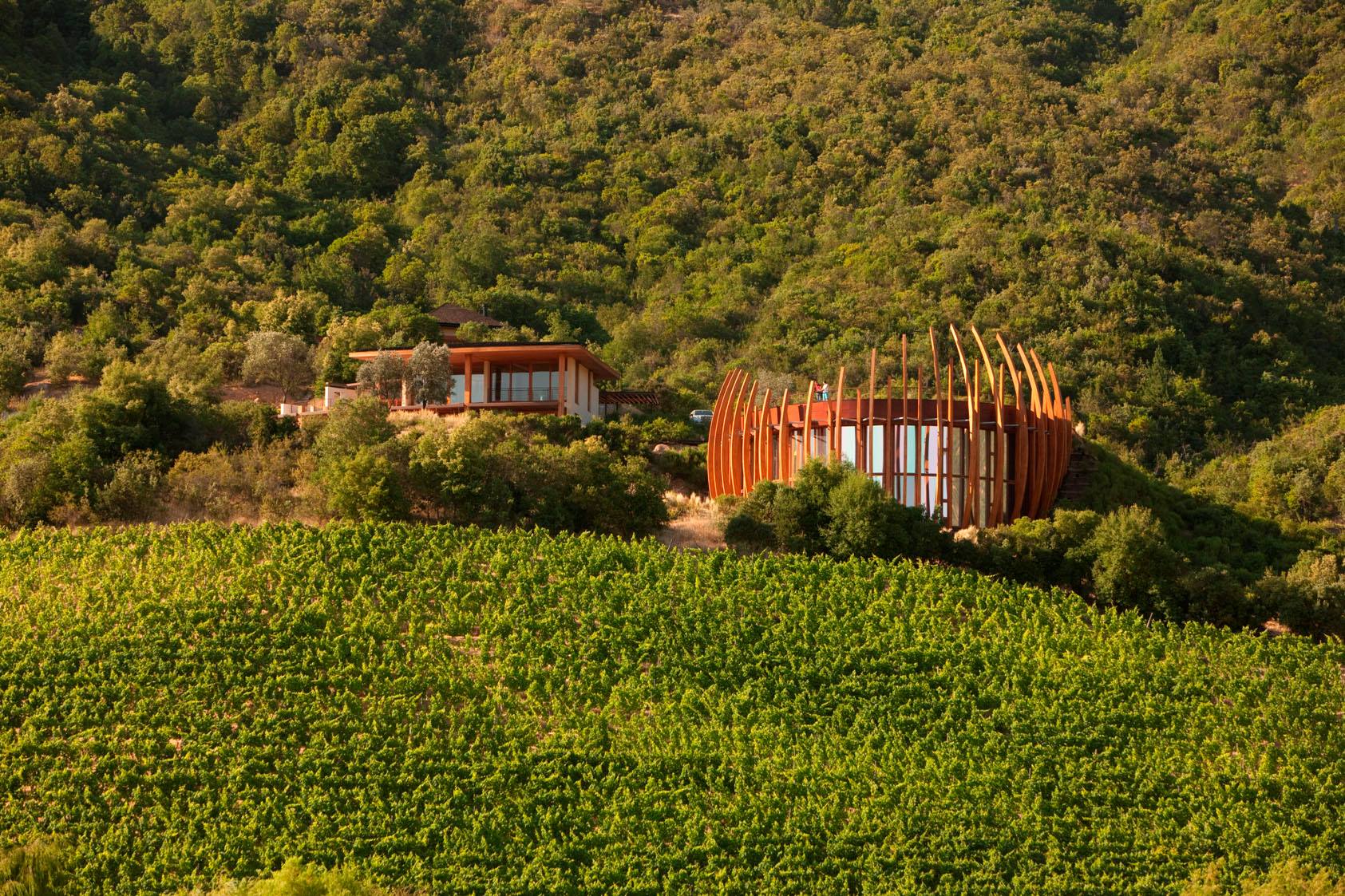
One of Chile’s most beautiful vineyard estates, Lapostolle is also one of Chile’s top biodynamic estates. You can taste their organic and biodynamic wines on a special tour of the winery and, if you book a night at their luxury wine lodge, you’ll be treated to a fabulous dinner made with ingredients from their organic, biodynamic kitchen garden.
.
Montsecano
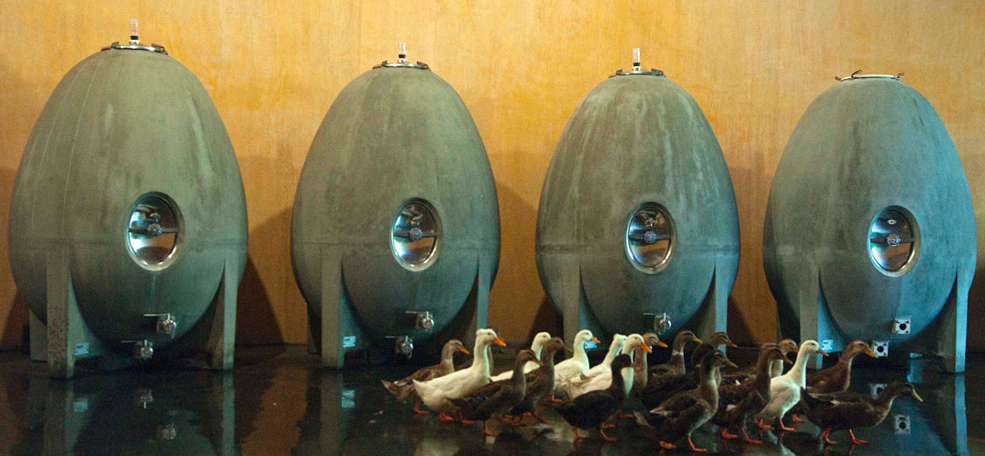
Focused on Pinot Noir, Montsecano makes minimum intervention, biodynamic wines in Chile. Julio Donoso and Andre Ostertag are the brains behind Montsecano boutique winery in Casablanca.