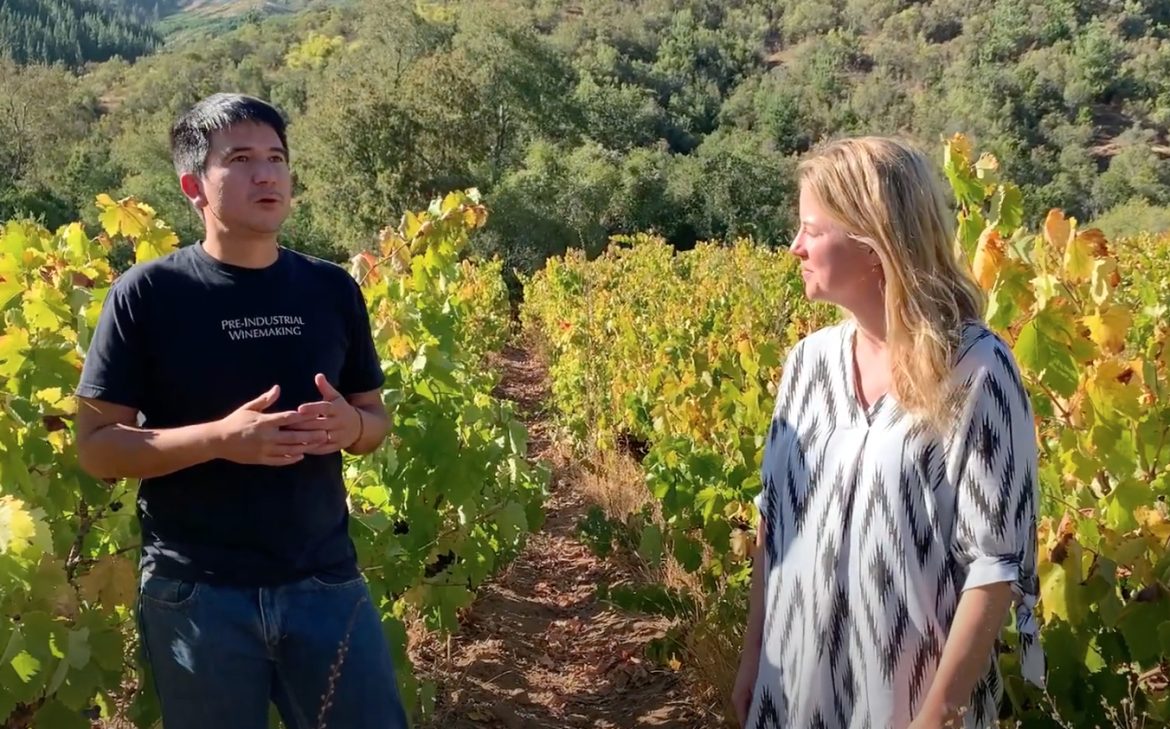
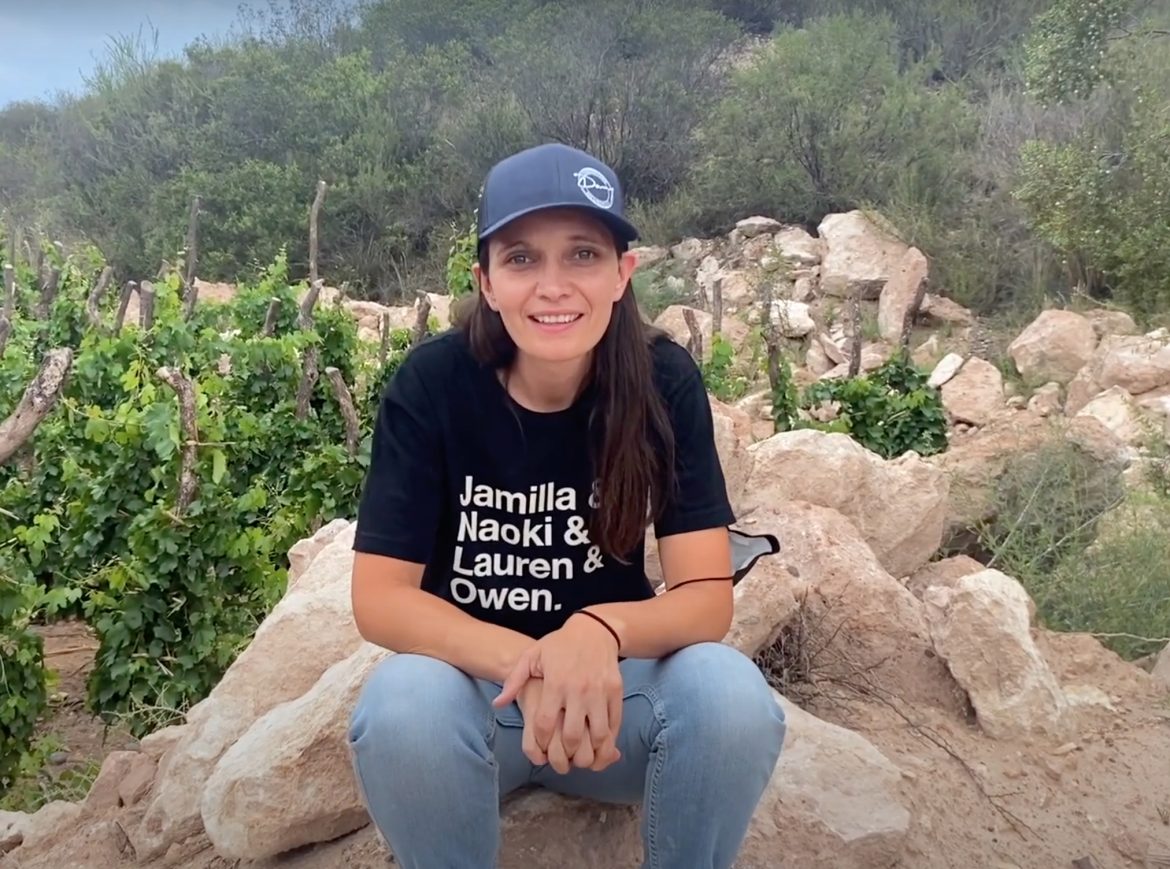
Casarena winery in Mendoza has replanted an old Malbec vineyard in their new Naoki vineyard, in a rather interesting terroir! Winemaker Martina Galeano talks about the terroir of Luján de Cuyo, as well as the particularities of their ‘elephant cemetary’ vineyard and the fascinating story of rescuing some older vines. She also explains in this interview why Lujan is a great wine region not only for Malbec but also Cabernet Sauvignon.
Features
Christian Sepúlveda, winemaker at Bouchon Famly Wines, talks about the secrets of viticulture when it comes to working with old vines Pais under dry-farming methods in Maule.
Christian says that of the most important secrets to getting a good maturity is to have happy vines to make sure they’ll give you the best quality. A dry-farmed vineyard can experience a lot of stress, and managing that stress is key to getting balanced acidity and fruit concentration. Amanda Barnes interviews him not only about the age of the vines, but how he knows when these vines are performing their best.
Exploring old vines of Pais with winemaker Christian Sepúlveda in Maule
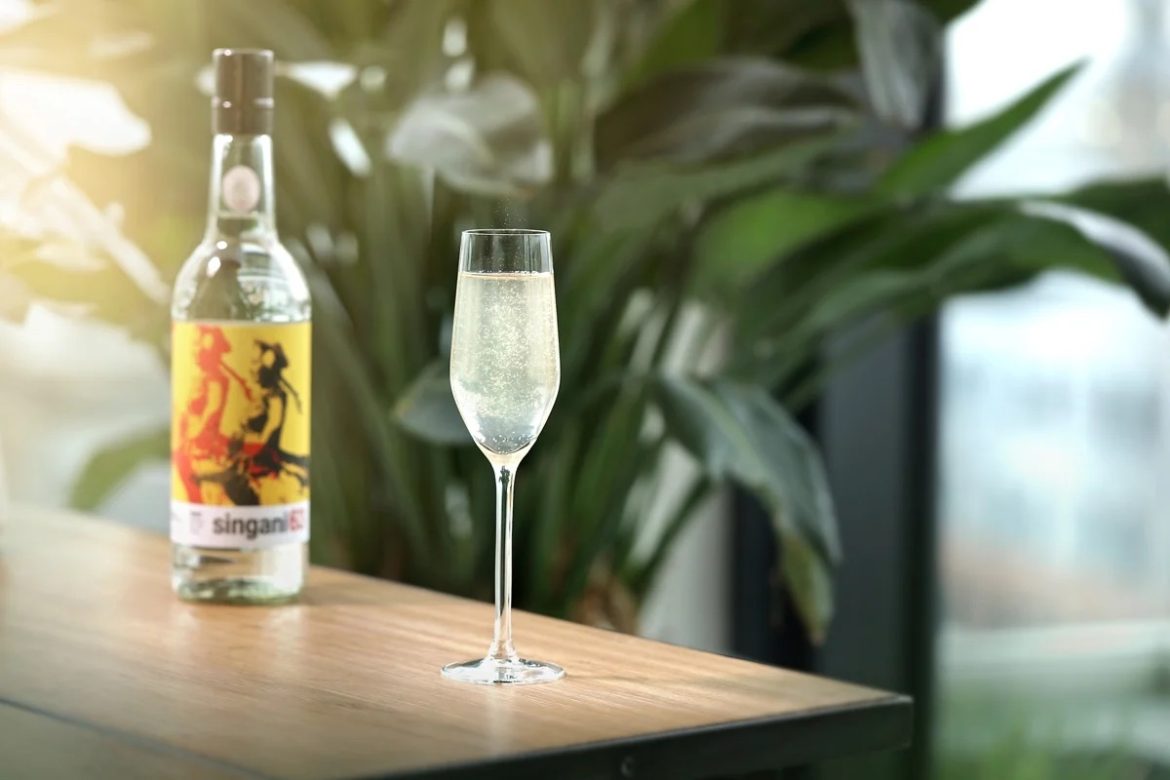
Singani is Bolivia’s signature spirit but, as Bolivian sommelier Darren Armstrong suggests, this clear brandy is more than just a spirit made in Bolivia – it actually captures the spirit of Bolivian terroir. Although it shares many qualities with Peruvian Pisco, Singani has its own long history and identity which starts hundreds of years ago…
The story of Singani – the Pisco of Bolivia
The history of Singani goes back to a small village in Potosí, Sinkani, where some of the first grapevines were planted by the missionaries. Life in the colonies in the Andean highlands was harsh: brutal high-altitude sunshine, lower levels of oxygen and extremely cold nights made life challenging, and the risk of vicious attacks from rival towns was constant. Singani was a strong, warming spirit that helped take the edge off this difficult way of life.
As the population of these mining cities grew, more and more wine and Singani was sent to them — especially to Potosí. Many of the miners would also give offerings to El Tío, a spirit believed to be the lord of the underworld, often depicted as a devil-like creature. Miners would typically have a statue of El Tío in the mines and would make offerings of coca, cigars and Singani in order to ask for protection while working underground.
The oldest and most well-known Singani producer is San Pedro, their vineyards were first planted about 500 years ago under the name San Pedro Mártir and this distillery has now been producing Singani continuously, making it one of the oldest in the Americas. Today there are numerous big brands and small artisanal producers making waves both locally and internationally. Some top brands that export include Rujero, Casa Real and Los Parrales, and San Francisco de la Horca and Tierra Alta are top boutique, cult productions.
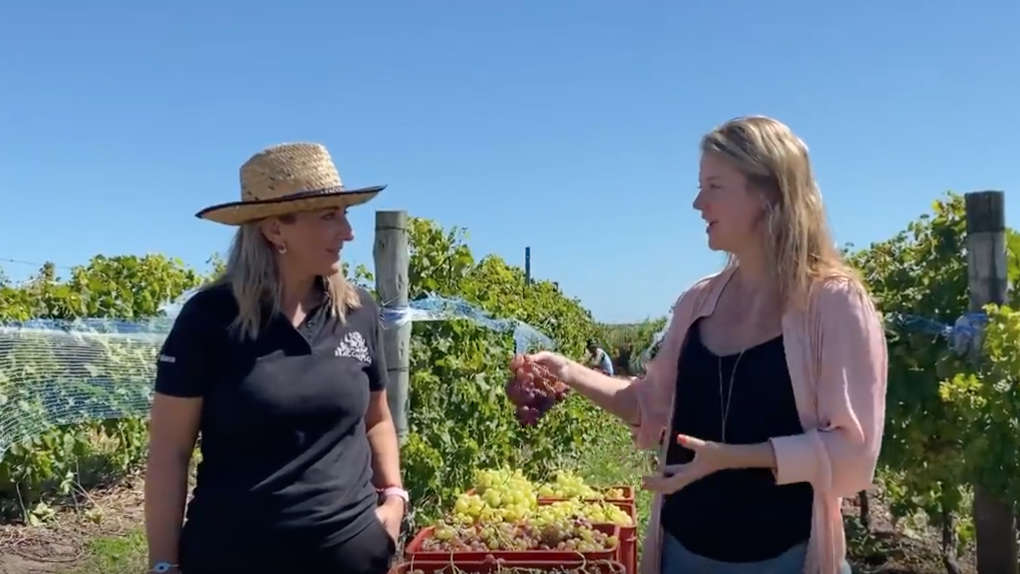
Fabiana Bracco, winemaker at Bracco Bosca winery in Uruguay, shares with us her love for Moscatel and how they are refocusing on this grape variety, which is the second most-planted variety in Uruguay after Tannat, and turned it into fine wine. Moscatel has always been considered a grape used for table wine but Bracco Bosca winery is using it to produce a dry and elegant wine.
All about Moscatel grape variety in Uruguay with winemaker Fabiana Bracco
Video highlights: Amanda Barnes interviews winemaker Fabiana Bracco
Fabiana, we are in the middle of your Moscatel harvest and one thing I love about your Moscatel wine is that you are rescuing this grape that is so important to Uruguay but few people are making it into fine wine. Can you tell me about your journey with Moscatel and how you’re championing this traditional grape variety?
This is probably the most adventurous thing we’ve done in our winery, rescuing a grape that was almost abandoned or under-estimated like Moscatel. What we are trying to do is a white wine with a grape that is the second most-planted grape in the country and was introduced by the Jesuits when they arrived to the country.
Today, after Tannat it’s the most planted variety in Uruguay but it has always been used for table wines. When I started the winery, I wanted to do something different with this grape and I wanted to give Uruguay something different with Moscatel so we are vinifying a very dry and elegant Moscatel. We are 8km from the sea so the wind helps us grow healthy vines and produce high-quality wines.