A guide to making wine from biodynamic vineyards. Want to know why cow horns, radishes and quartz are important to make great wine? It is not as crazy as it might sound. Wine writer Amanda Barnes and Chilean winemaker Julio Bastias from Matetic walk through the vineyard and preparations used to make great wine from biodynamic vines.

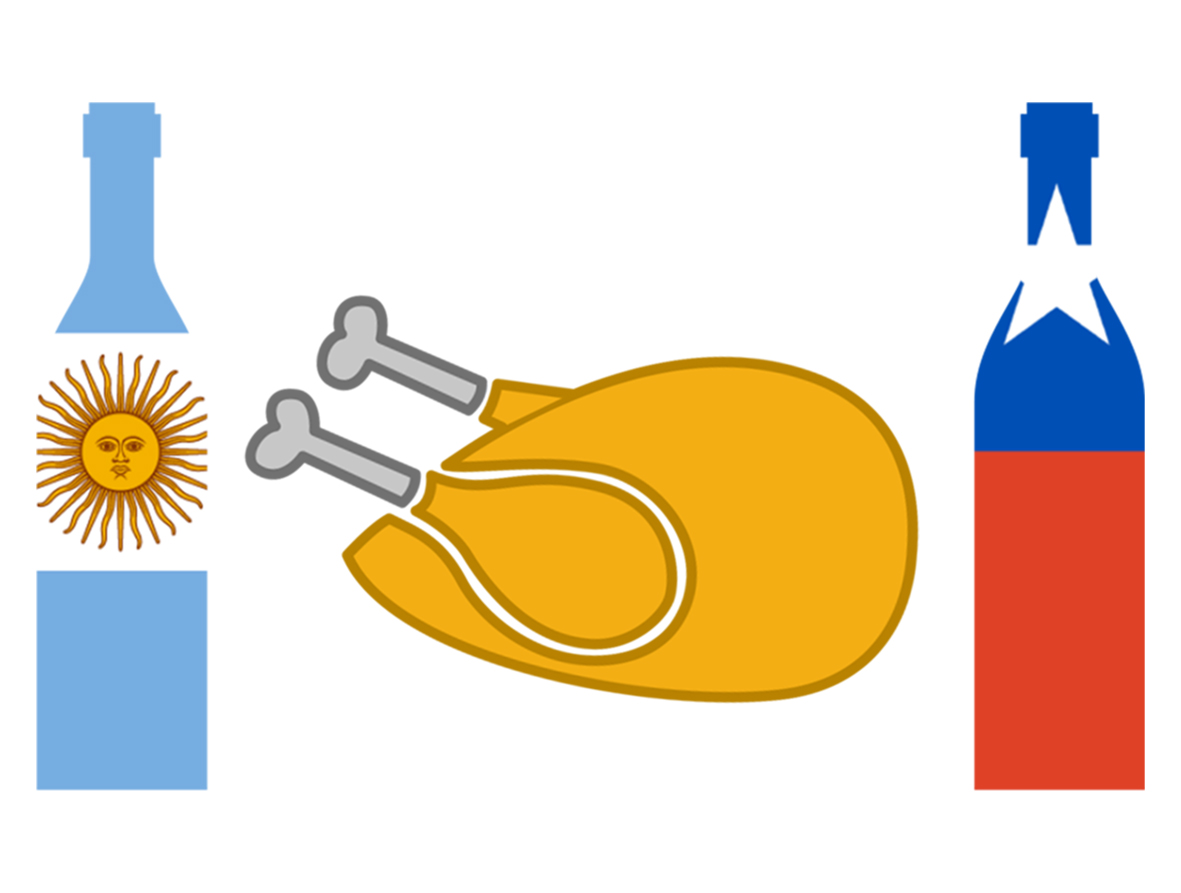
While you might be tempted to go all-US when it comes to wine for your Thanksgiving meal, when it comes to wine picks there is plenty to choose from from your American brothers further down south! Here are a few picks of wines from Chile and Argentina for a Thanksgiving feast!
Breaking out the bubbles
Get the party started with a pop. Chile and Argentina offer excellent value bubbles that lend to a great celebration, and at a really reasonable price for good quality. Argentina has a long history of traditional method (champenoise) sparkling wine from Mendoza, that have a creamier texture and richer structure. Check out Cruzat and Reginato for starters. If you want lighter, fruitier bubbles made in the charmat style, good wineries to try are Nieto Senitener and Norton.
Chile’s sparkling wine is all about crisp coastal wines with big bubble houses producing more cheap and cheerful charmat method sparkling wine, as well as a few special occasion sparklers with a longer, champenoise process. For cheaper, prosecco-style sparkling look for Undurraga (Nature is my favourite), Vina Casablanca, and Valdivieso. For more complex sparkling for connoisseurs try Morande (Brut Nature is divine), Bodegas RE and Aquitania. For something totally different – try the pink Pais sparkling from Miguel Torres.
These are all perfect for pre-dinner cocktails, canapé hour and also for those ladies in need of a glass or two during the kitchen prep. The more structured bubbles will also sit nicely with a death-defying deep fried Turkey, and sparkling pink is a fab combination with cranberry sauce!
Whites with some power & might
Traditional Thanksgiving dinners require wines with a bit more body, but that doesn’t mean white is out of the game. Skip the Torrontes and Sauvignon Blanc though, and try some of the waxier and rounder varieties like Viognier, Semillon and Riesling.
Dry and citrusy coastal Rieslings like Casa Marin and Cono Sur highlight the aromatics of zesty turkey stuffing; while fatter, orchard fruit Viognier with more peachy aromatics like Lagarde, Diamantes and Lorca from Argentina and Von Siebenthal from Chile pair with a warmer, fruit-based stuffing. Semillon is a good all-rounder with turkey and all its trimmings too, and there are some nice old vine Semillons from both Chile and Argentina. From Argentine Patagonia try Matias Riccitelli, from Mendoza try Mendel. From Chile, try Semillon blends from Juan Alejandro Jofre and Rogue Vine.
Go light on the reds
Moving on to the reds you want to stick to the lighter spectrum as Turkey can be easily toppled by a big red, as can sleepy relatives. Pinot Noir is the classic one-size-fits-all red, and that is certainly the case with this holiday meal.
There are two style profiles to look out for: the red berry aromatics and fresh acidity that pairs well with fruitier or spice-based stuffing and gravy combos, while you might want an earthier and funkier Pinot to sit alongside mushroom, richer gravy or dark meat. Lighter Pinots to try are Cartagena by Casa Marin, Boya from Garces Silva, and Crouchon from the deep south. For more old world style Pinots try Chacra from Argentine Patagonia, Sol de Sol from southern Chile and the meaty Pequenas Producciones from Casas del Bosque.
Another light and fruity red that sits idyllically on your thanksgiving table is modern beaujolais-style Pais. Young Pais from the same harvest year like Pais Salvaje from J Bouchon and Reserva de Pueblo by Torres will suit the bill perfectly. You can also try fresh carbonic-maceration Bonarda like Cara Sur from Argentina for the same profile.
Sweets for my sweet
Last but not least, you’ll need a good wine to pair with everyone’s favourite – pumpkin pie. As the general rule of thumb with desserts, you always want a wine that goes a little sweeter, although with a good acidity so as to not saturate your palate. Try concentrated and high acidity sweet wines, like Petit Manseng from Terrazas de los Andes, and RE Noble from Bodegas RE.
Whichever wine you pick for the holiday season, remember to keep it lighter on the dinner table so the food, wine and conversation keeps flowing, and knock ‘em out with a sweet wine on the finish. Happy Thanksgiving!
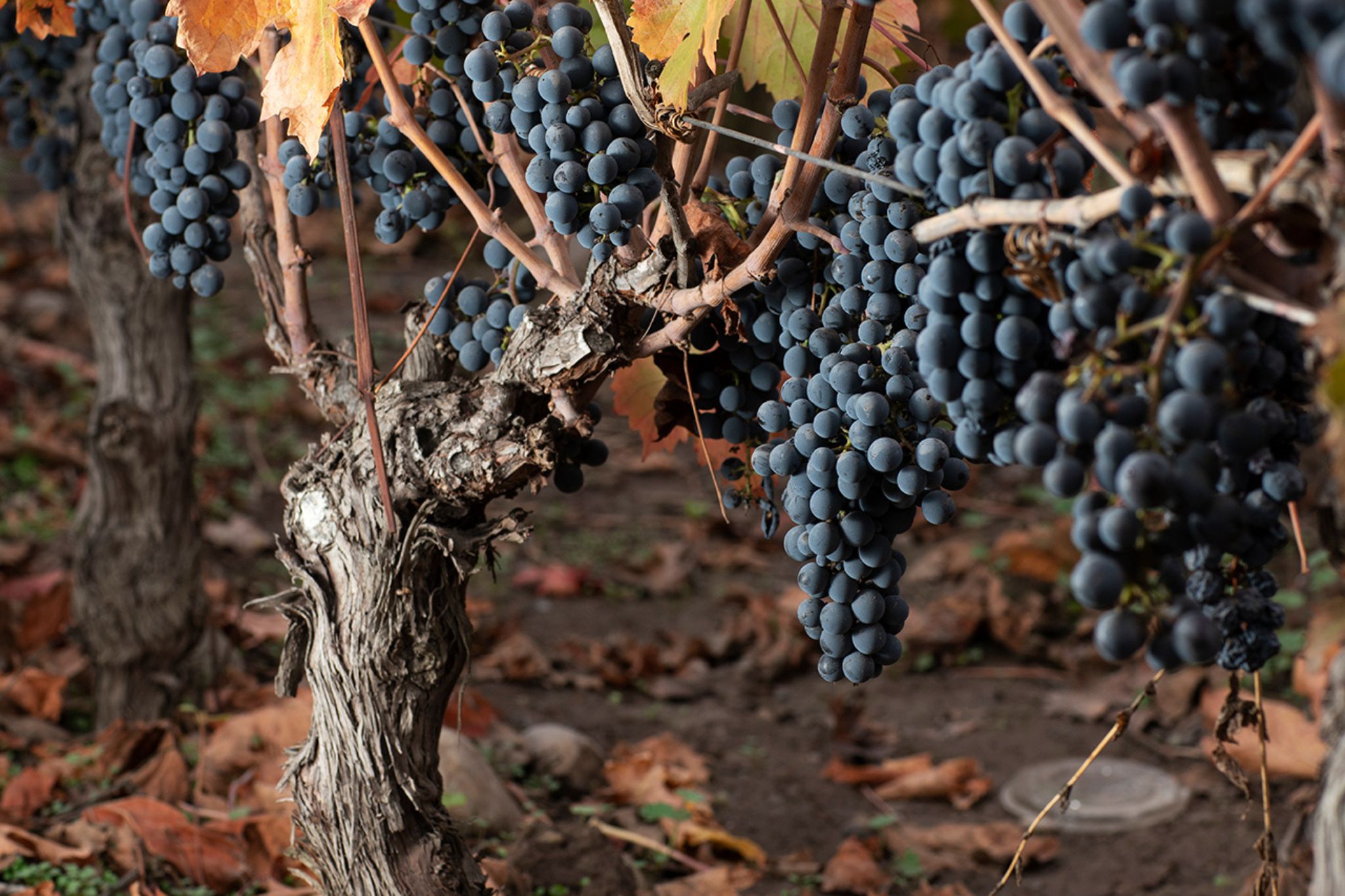
Carmenère is a well-travelled French variety that found its second home in Chile where it is now so widely grown that Chile is the world’s top producer of the variety, making 98% of it!
While it adapted to Chile very well, it was under the guise of a different variety – Merlot – that Chilean wine producers planted and produced it. The slightly different style that this Merlot in Chile produced from the Merlot found in other parts of the world led Chilean winemakers and drinkers to call it ‘Merlot Chileno’ as opposed to just plain old Merlot. This was indeed very different from any other Merlot because, as the intrepid French ampelographer Jean Michel Boursiquot discovered in 1994, it was, in fact, the long-lost French variety, Carmenère. He spotted the error because Carmenère has distinctive twisted stamens (unlike Merlot and most other grape varieties).
Since 1994, not only the name of the variety changed but viticulturists and winemakers began working the variety in a different way and the style changed. The separation of varieties also changed the style of Chilean Merlot, although if you find a pre-1994 bottle of Merlot, it could likely be Carmenère.
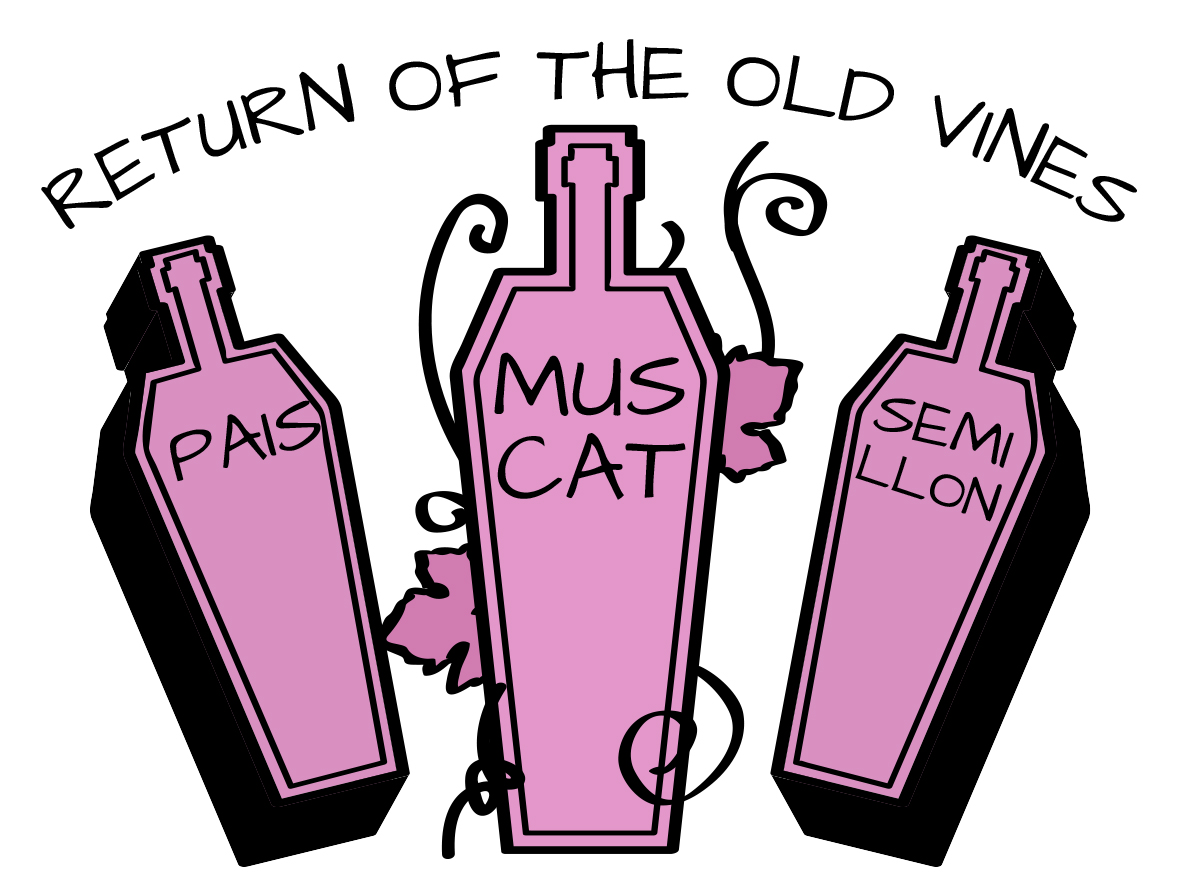
Both Chile and Argentina are seeing an exciting rediscovery of old vines – and old varieties – that are proving some excellent wines worth seeking out. With the rise of Cabernet Sauvignon, Chardonnay, and even Malbec, in both countries the umbilical cord was almost cut from some of the original varieties to be planted in South America, but now we are seeing a return to these roots and the results are delicious.
Here’s a selection of five to get your mouth watering:
Pais (Chile)

It is perhaps a delightful irony that Chile’s Pais grape, which translates as country in english, is leading the nation’s return to their deepest rooted heritage in winemaking. Also known as Criolla in Argentina, and the mission grape in the US, Pais was one of the first grapes to be brought to Chile when the Spanish conquistadors landed and began producing wine in the 16th century. It was one of the most widely planted grape varieties in all of Chile until the vinicultural french revolution took place a couple hundred years later.
Floundering below the line of recognition for centuries, Pais was condemned to cheap table wine. However in the last couple years, winemakers and viticulturists in Chile have rediscovered this variety and brought about with it a return to ancestral winemaking techniques. Pais vines planted in Maule, Itata and Bio Bio can date back well over 200 years in age, and the quality of these old vines, which are now dry harvested, has re-enchanted winemakers across the country.
At the heart of the Pais wine movement are ancestral winemaking techniques, which in more fashionable terminology would be considered ‘natural winemaking’. With minimal intervention in the winery (or often garage), organic and dry-harvested old vines, these wines are usually small production and available in the local market or specialist natural wine merchants. Funky, earthy and often surprising, they show the old vine concentration of Pais, but also rustic fruit flavours and sometimes floral notes.
There are also many fresher, beaujolais nouveau-style carbonic maceration Pais wine with elevating aromatics and a fresh mouthfeel, as well as a handful of light and delicate sparkling wines made from Pais. Whichever your fancy, I recommend you take a wander into Chile’s oldest variety for the sake of curiosity, and hopefully pleasure.
Bonarda (Argentina)
If Pais was the most-planted red variety in Chile, Argentina’s equivalent would be Bonarda. Before the Malbec boom in the mid 90s, Bonarda was the most widely-planted red grape and suffered a similar historical treatment as Pais: downgraded to table wine and abandoned as it lost out on the fashion stakes.
Bonarda is back on the rise now though. Historically pipped as Malbec’s little brother, it was often seen as an alternative to Malbec, and vinified in the same way. In recent years winemakers have started to treat this variety differently, and more tenderly, with shorter maceration periods and some whole cluster carbonic maceration. There are a handful of much lighter, fruitier Bonarda wines that are perfect to enjoy chilled over lunch or on a Summer’s evening. The rise in light sparkling pink wines coming from the variety is also something to cast your eye on.
While most Bonarda is still shunned to the hotter, and more historical, wine regions in San Juan and the East of Mendoza, you’ll find a few new plantations popping up on prime vine-estate in the highlands of the Uco Valley, which proves just how seriously winemakers are once again taking the variety. You might have heard of Bonarda many times before, but it is worth revisiting to discover some of the newer interpretations of this older variety that acted as a building block to Argentine red wine today.
Carignan (Chile)

The more handsome sidekick of Pais, Carignan was a show-stealer back when it was first planted and is still hogging the limelight. Originally planted in Chile in order to give a bit more backbone and colour to the readily-planted Pais variety (see above), it is still arguably a grade above Chilean Pais. Planted in the same areas as Pais in southern Chile, Carignan also benefits from deep roots and old vines.
Carignan (or Cariñena in Spain) shares some of the ripe red fruit characteristics and floral nose found in European plantations, but its wild acidity and grippy tannins are somewhat tamed by a century of growth under the warm Chilean sun.
There are many Carignan wines from Chile worth trying, but perhaps the most authentic (and easily recognisable) are the VIGNO wines. In case you haven’t already been treated to a VIGNO tasting, it would be most easily summed up as Chile’s first real wine appellation. VIGNO stands for Vignadores de Carignan, and the association is made up of 18 (and counting) producers who make a wine from at least 65% Carignan, from old vines (30 years+) in Maule that are dry irrigated, goblet-trained and have been aged at least 24 months in bottle or barrel. That doesn’t mean all the VIGNO wines are similar, in fact they show quite the opposite: the great individuality and character that Chile’s old Carignan vines have developed after hundreds of years of abandonment.
Semillon (Chile & Argentina)
A stalwart of the Bordeaux blanc scene, in South America Semillon has been positively stalled for the last century – until now. At one stage the most widely-planted white variety in both countries, Semillon has plenty of roots buried either side of the Andes but it is only in the last couple years that new Semillons are coming to surface in the wine scene.
Some producers are taking Semillon to extremes, creating taut wines with electric acidity; while others are working on the textured mouth feel and body that old vine Semillon boasts. Still only produced in very limited productions, it might be tricky to get your hands on at first but once you try the new Semillon wines coming from Chile and Argentina you’ll quickly get a thirst for this wonderful white rebirth.
Muscat/Moscatel (Chile & Argentina)
Not the most glamorous grape in the vine garden, Muscat has been the backbencher of most white blends and table wines in both countries (and many parts of the world) for as long as the vine’s history stretches. Moscatel de Alejandria is of course the mother grape to Argentina’s one native variety, Torrontes, but now mamá is coming out to play too…
From San Rafael and San Juan in Argentina, a couple natural Moscatel wines with explosively aromatic bouquets and bone-dry palates have emerged from old pergola vines. While in Chile, it is Itata that is the home to the Moscatel parade: dry farmed, goblet-trained old vines also produce interesting whites that are now form part of some of the most exciting white blends in the country. Watch out boys, momma’s back!
Update: Read our new guide to Semillon’s revival; the essential guide to Criolla grapes and check out our old vine register for South America.