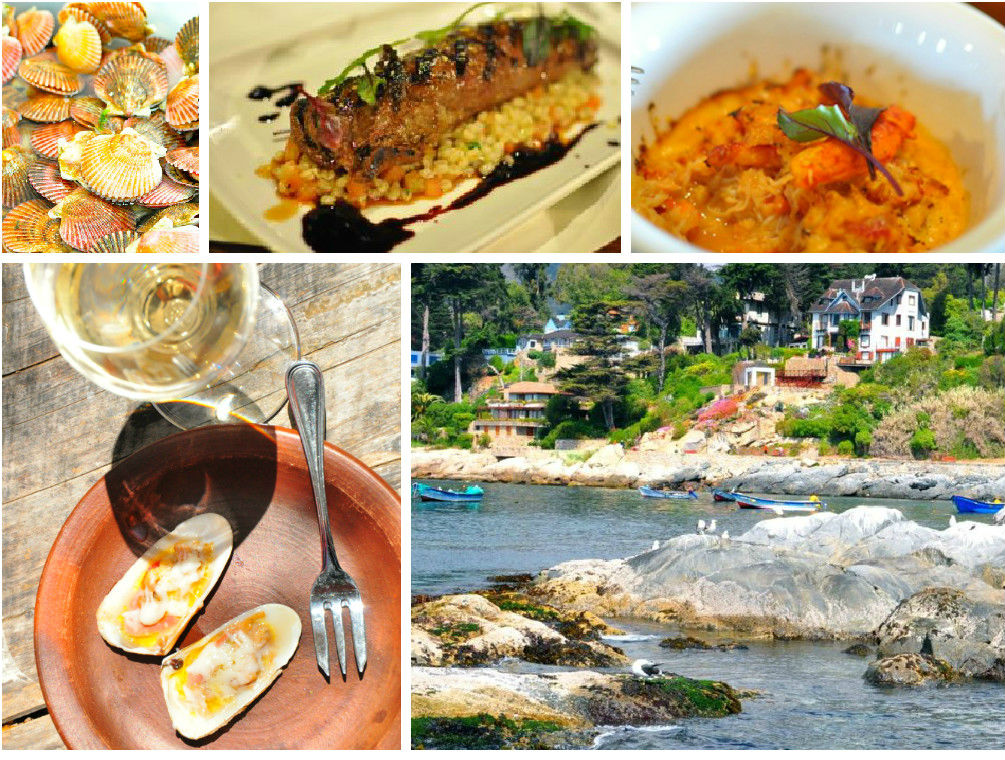
Chilean oood is driven by local identity, tradition and a wealth of native ingredients that are found along its striking 4,630km length. Characterized by the rugged Pacific coast and dizzying heights of the Andes mountains stretching almost the entire enviable length of the country, Chile’s topography extends over 29° of latitude ranging between the tropics, arid deserts, salt flats, fertile hillsides and valleys, deep forests, jagged glaciers and fjords, snowcapped mountains and volcanoes. Although all ingredients are local, Chile’s key gastronomical and viticultural asset is its diversity.
 The coast is one long fish counter for Chileans: established favourites like oysters, small sweet scallops with melt-in-your-mouth corals, fleshy salmon, pink and succulent clams, Patagonian King Crab and enormous Pacific sea bass are accompanied by a plethora of weird and wonderful native sea dwellers, such as the Humboldt Squid (reaching a monster-sized 2m), Erizo de Mar (‘sea hedgehogs’ aka sea urchins), Cholgas (a gargantuan relative of the mussel), Picoroco (ginormous and irrefutably ugly barnacle) and so much seaweed that you wonder if biofuel will be Chile’s next cash cow. Most Chilean seafood and fish is prepared simply, often eaten raw, with just a dash of lemon, Pebre (Chilean condiment of coriander, onion, chilli, garlic and olive oil) or a pinch of their delicious Fleur de Sel. The Spanish influence is seen in rich fisherman’s stews and other fusion influences appear in dishes like ceviche, sushi, clams ‘al parmesano’, shellfish pasta and risotto, seafood pastry pies and even battered fish sandwiches.
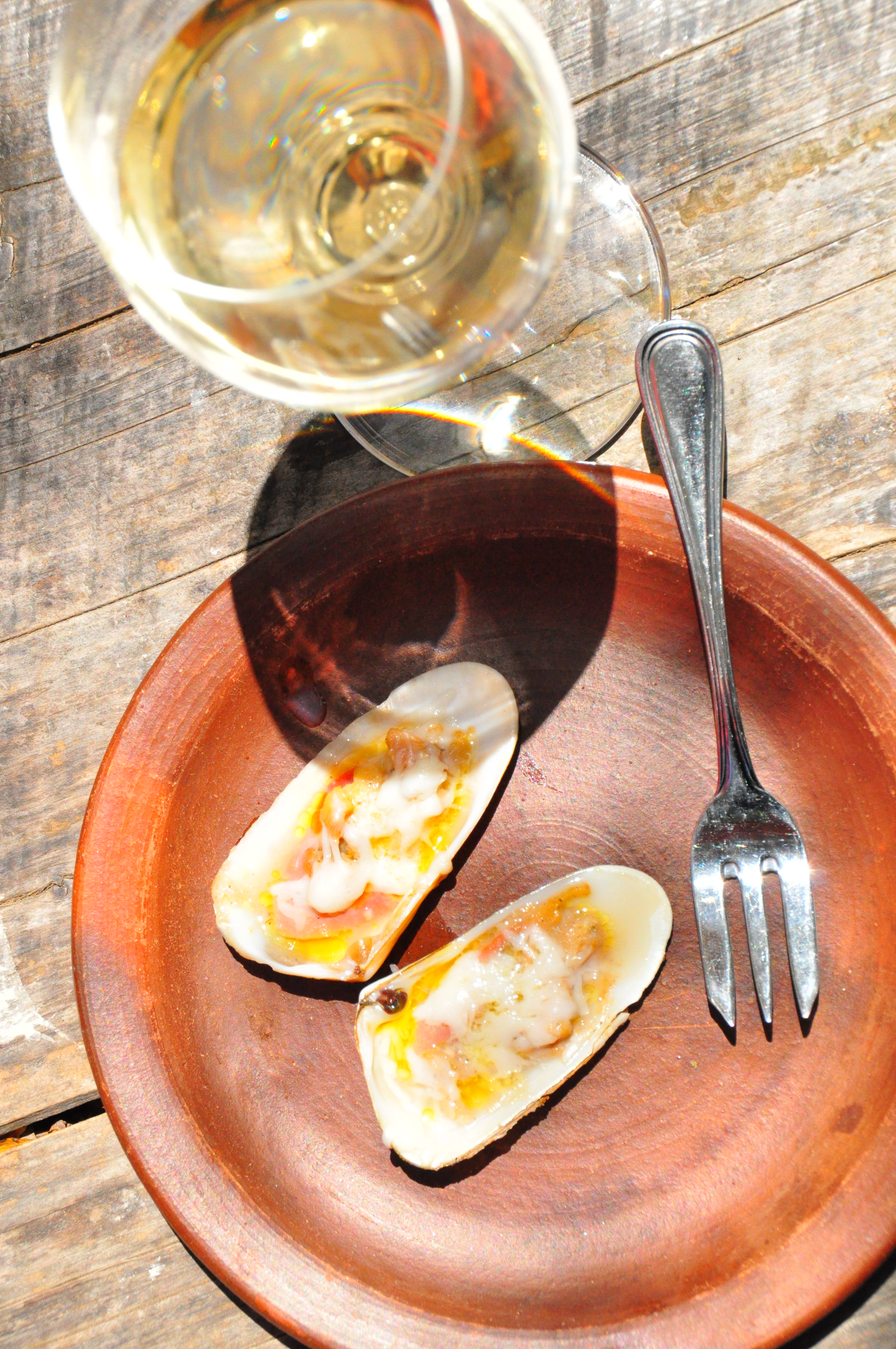 It almost goes without saying that the perfect pairing for most Chilean seafood are crisp, aromatic and fresh coastal wines. Pioneered by winemakers like Pablo Morande in the 80s, the main coastal wine regions of Casablanca, San Antonio and Leyda benefit from brisk sea breezes and protective, low coastal mountains creating a buffer from extreme cold and a cavity to bathe the vines in cool morning mist before the afternoon sun emerges. The varied coastal wine regions, which extend to the borders of the Atacama desert region, produce wonderful seafood pairings: the herbal aromatics and citrus fruit of crisp Sauvignon Blanc from Leyda; the tropical, voluminous and richly mineral Chardonnay from Limari; or the earthy and fruity cool climate Pinot Noir of Casablanca Valley. Intensely aromatic whites – Riesling, Gewürztraminer, and Viognier – have seen a rebirth since the exploration into cooler climates in Chile. Their acidity, off-dry nature and sublime fragrance make them fun pairings for the influx of Asian cuisine using local seafood.
Moving in from the coastal mountain range the country morphs into warm flat plains, breeze brushed foothills and the rugged start to the Andes. Naturally the cuisine shifts focus onto land dwellers and Campesino (rural) cooking dominates. The simple Huaso Asado (Chilean cowboy’s BBQ) with grilled meats like pork, beef and lamb are an ideal partner to the bigger reds from the Central valleys. The Asado tradition of hours spent around the fire warrants an equally time-absorbing wine.
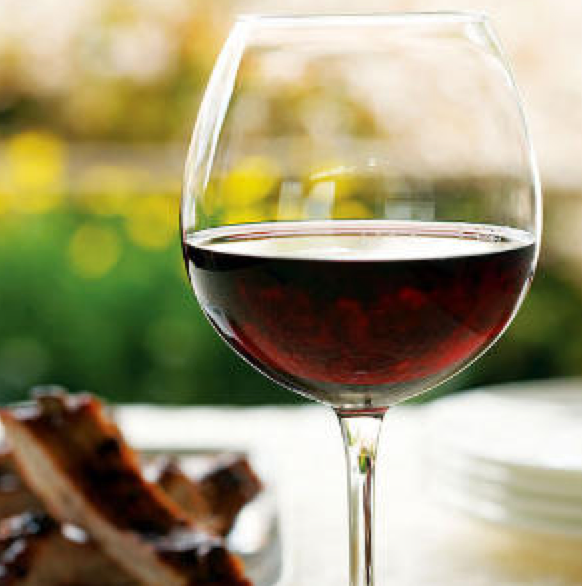 Syrah is Chile’s new champion and the deep black fruit, rosemary, smoky and pepper notes, juicy tannins and bright acidity of Syrah from Apalta in Colchagua is ideal for slow-cooked Patagonian lamb. “Apalta is mostly colluvial with granite and some clay – it’s a great terroir for Syrah for its soil and water,” says winemaker Andrea Leon who makes terroir selection Syrahs with Lapostolle winery.
Another favourite of the cowboy culture and prepared all over Chile is the hearty stew. Usually with a base of root vegetables, coriander and full flavoured meats like cow tongue, it pairs well with what really was a Campesino’s wine of years past: Carignan.
In the Southern regions of Maule, Itata and Bío Bío some gnarly trunked, old bush vines had been forgotten by the wine world, until recently. Old vine Carignan from Maule is a muddle of rich cassis, mulberry and wet earth with a refreshing acidity. “Carignan from Maule is concentrated but not necessarily rustic,” says owner of Santiago wine bar Bocanariz, Katherine Hidalgo. “It has a countryside flavour but it can be super elegant.”
País too is a rediscovery. Once the most planted variety in Chile, it was later dismissed as table wine to make way for noble varieties, although now the old vines – some up to 350 years old – are producing unique wines. More rustic than Carignan, País has dark fruit and drying tannins with attractive floral and citrus notes.
Like anywhere, stews in Chile are made big. They are inherently for sharing. One treasured national dish is Estofada de San Juan, a stew comprising dried and smoked meats with acid cherries and always eaten on 24 June, National Indigenous People’s Day. As part of the necessity of the day, the native Mapuche tribe had a rich culinary culture preserving foods – still echoed in contemporary cuisine.
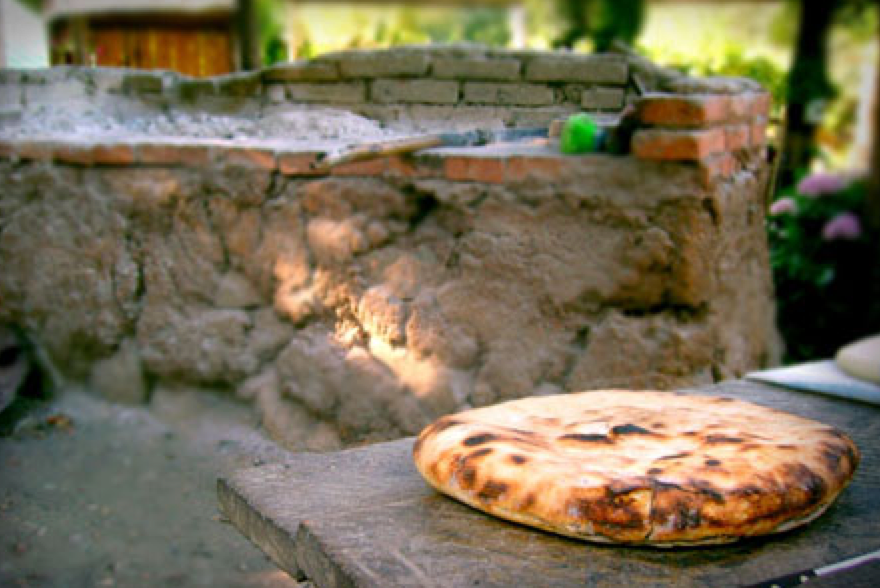 The Mapuches also developed techniques cooking directly in the fire. The Rescoldo method of cooking in the ashes is still avidly practiced in the campfire and roadside favourite: Tortillas de Rescoldo (bread buns cooked on embers resulting in a rich smoky flavour).
One spectacular indigenous dish is Curanto, coming from the lost-in-time Chiloe archipelago. Villagers tie a stilted house onto a platform and, with oxen, drag it to a new location in an annual ‘Minga’ ceremony. This century-old tradition is followed by a Curanto cooked for the entire village: a large hole filled with hot stones where layer upon layer of shellfish, meat, potatoes, vegetables and dumplings are covered by native Nalca leaves and cooked underground.
Time-conscious, less romantic chefs replicate it in a pressure cooker.
The greatest Mapuche inheritance though is Merkén. This heady combination of smoked chilli peppers, coriander seed and sea salt is used to add flavour to many dishes in Chile, which unlike its namesake actually features little spice in typical dishes.
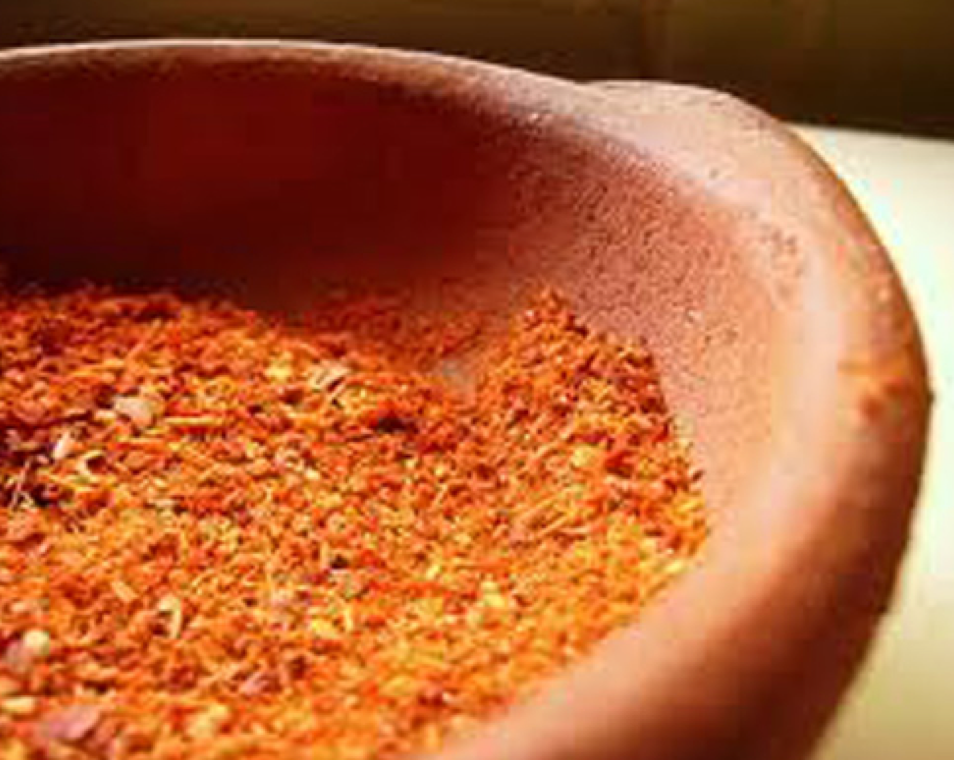 The smoky flavours of Mapuche cooking methods work well with the fruit forward, spicy and oaked Central Valley wines. Merkén has an almost poetic pairing with the country’s signature grape variety: Carménère. Its fruity spiciness, earthy flavour and softer oak-aged tannins pair well. “The smoky taste of Merkén is a bridge with the oak of the wine,” says Chilean chef and food guru Pilar Rodriguez.
Carménère’s juicy fruit and appealing spice, is a perfect pair for not just Mapuche dishes though. “Carménère is a great variety with a medium body so you can pair it up or down, with lighter or heavier dishes,” says Marcelo Pino, Best Chilean Sommelier 2015. “It’s a very versatile wine.”
Cabernet Sauvignon is equally as versatile in Chilean food pairings. “The commercial style of Chilean wines makes them very easy to drink and pair,” comments sommelier Martin Mantegini, “even Cabernet Sauvignon.” The most acclaimed Chilean Cab is arguably from the rocky Andean terrains of Alto Maipo, reaching up to 800m altitude and producing deep, layered and lush wines with rich cassis, red fruits, chocolate and elegant herbal aromas.
The softer Merlots and jammier, medium bodied reds of the Central Valley are often paired with the nation’s No.1 comfort food, Pastel de Choclo: a casserole with a base of ‘pino’ (minced beef, chicken, raisins, boiled eggs and onions), topped with a corn crust. The creamy corn used in many Chilean kitchens, especially for Humitas (wrapped with onion and basil in corn husks) is also a great pairing for buttery oaked Chardonnay.
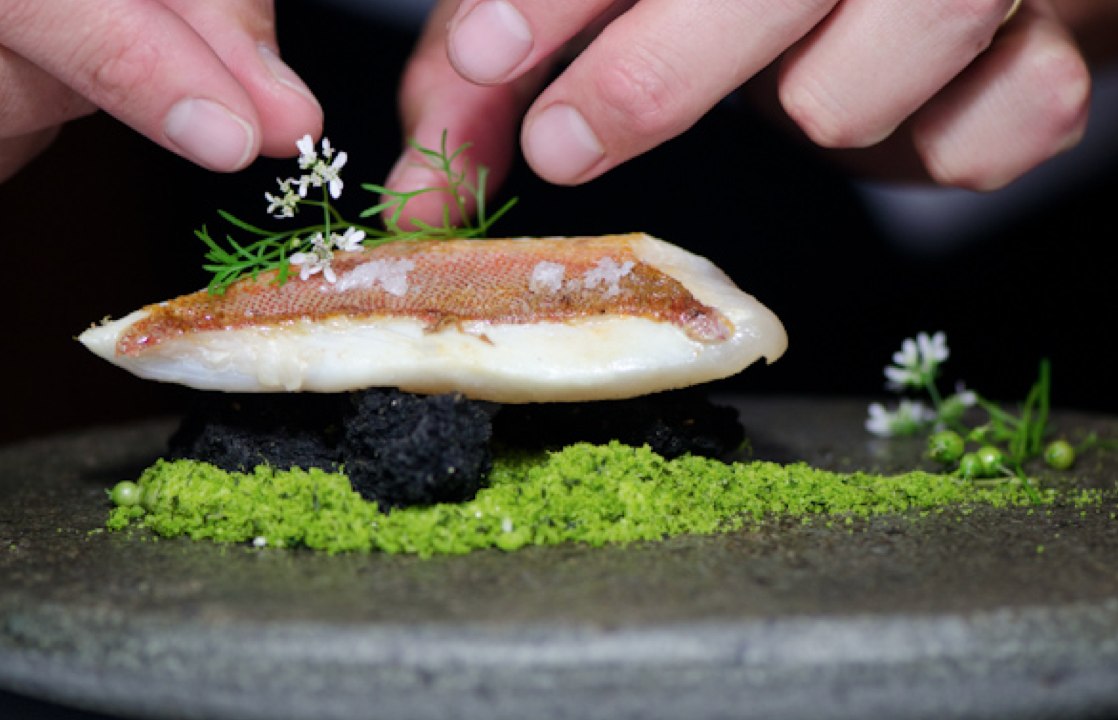 The different soils and microclimates create terroir infatuations for winemakers, but Chile’s diversity also makes it a forager’s paradise. Although foraging is as old as time, it has slipped back into fashion in Santiago. Young chef Rodolfo Guzman has taken foraging and Mapuche techniques into haute cuisine in his molecular gastronomy restaurant Borago where he serves unique dishes involving soil, trees, fungi, flowers and parasites in a theatrical tasting menu. So unique and memorable is his revival and retelling of traditional cuisine that Borago was recently crowned one of the Best 50 Restaurants in the world. Guzman also started a research institute with Universidad Catolica documenting Chile’s endemic flora and fauna. “Chile is the coldest country in Latin America, that is why we are so different to the rest,” enthuses Guzman. “You might jump into the sea water and it’s freezing, but it’s wonderful in your mouth. The geography makes so many endemic ingredients. All of Chile is abundant and in many different ways.”
This abundance and diversity in Chilean food and wine makes the country mouthwateringly good to discover.
